Caring for Children in Swaziland
Comfort Care PediatricsSalt Lake City, Utah


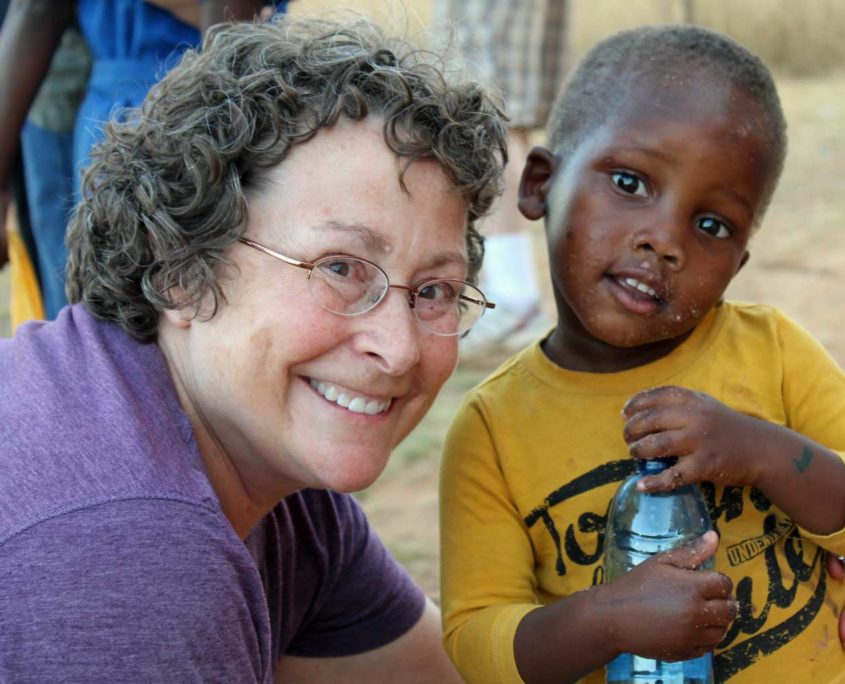
When independent pediatrician Dr. Rita Fox found out that her church was seeking medical professionals to set up a clinic in the village of Ekudzeni in the African nation of Swaziland, she knew she had to go.
Never mind that this would be her first time embarking on a project of such magnitude, let alone in a country halfway around the world. It was a calling that would not be ignored.
“I thought: This is me; this is what I’ve been waiting for,” says Dr. Fox, who has owned Comfort Care Pediatrics in Salt Lake City for over 20 years. “It’s what I do every day and what I love. It was a no-brainer.”
With the highest rate of HIV in the world, Swaziland has lost a generation of its citizens to the disease. UNAIDS estimates that between 2010 and 2016, over 81,000 people died from AIDS or related diseases, and about 220,000 people continue to live with HIV 1. With so many sick and suffering, the HIV/AIDS epidemic has forever changed the fabric of this small country roughly the size of New Jersey 2.
Many children in Swaziland are orphans, either fending for themselves on the streets or living with relatives in homesteads, the foundation of Swazi society and domestic life. Scattered across the rural landscape, homesteads are often a mix of traditional grass huts and cinder block buildings. Dr. Fox remembers visiting one homestead where a grandmother cared for 11 of her grandchildren, aged 11 months to 17 years old, after her three children and their spouses had all died of HIV.
“She looked like she was in her 70s, but she was probably only in her 50s,” says Dr. Fox. “It’s a hard life.”
Although Swaziland has made great strides in stemming the epidemic, most of the resources are located in major population centers. The Baylor International Pediatric HIV Initiative, for example, staffs a clinical center of excellence in the capital city of Mbabane as well as three satellite clinics. These clinics treat thousands of adolescents diagnosed with HIV, offering antiretroviral therapy and treatment for tuberculosis, a common co-occurring condition. But accessing this care requires reliable transportation, something that’s hard to come by in Ekudzeni.
Cultural factors also impact how Swazi people view the disease and access treatment. Dr. Fox’s team wants to educate about what HIV is and how it spreads, at the same time they seek to understand how the community views the disease and illness and health more broadly. This requires an open dialogue, as well as patience and lots of time. Ultimately, the goal is to save lives by gaining the trust of the people enough to test children for HIV.
They’re also helping to meet the most basic needs of children.
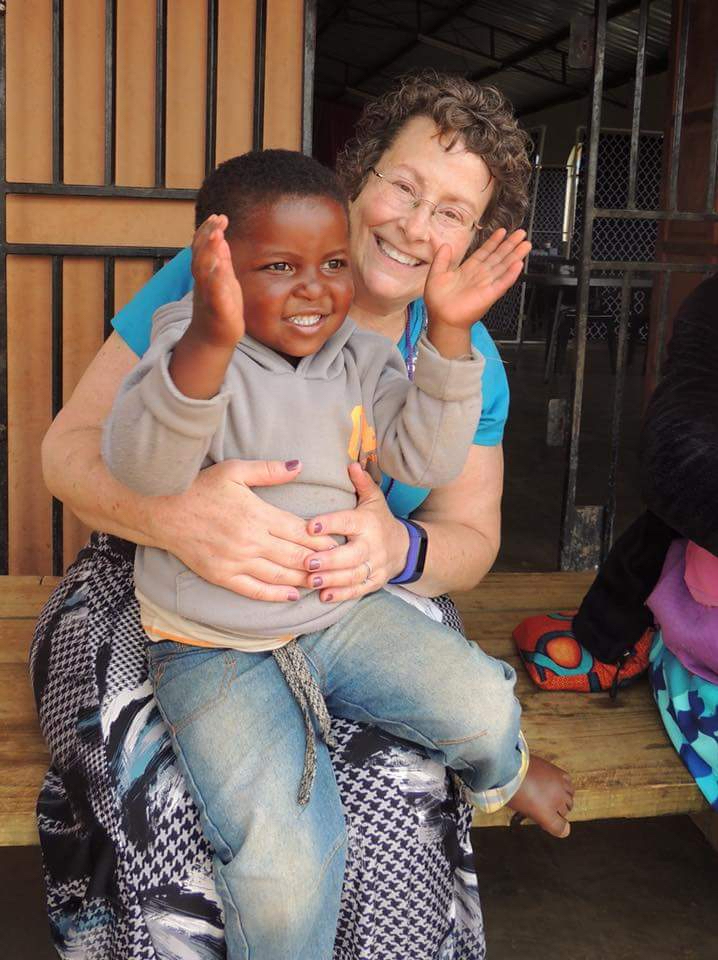
“I fell in love with these kids. They appreciated every little thing. So many of them would just come up and wanted to sit on your lap. They just needed a hug.”Dr. Rita Fox
Dr. Fox’s church, called K2, has partnered with two non-profit organizations – Children’s HopeChest and Adventures in Missions (AIM) – to offer aid to Ekudzeni. In Swaziland and six other countries around the world, Children’s HopeChest hosts what are known as CarePoints. Children come to these permanent locations – which are often nothing more than a series of tents on land donated by a community member – to receive anything they need, from food and school supplies to emotional and spiritual support. Local volunteers staff the CarePoints, with support from the organizations. Currently, 40 CarePoints in Swaziland feed almost 8,000 children daily.
The CarePoint in Ekudzeni was the first to offer a medical clinic, beginning with Dr. Fox’s first trip to the country in 2015. She was tasked with figuring out what supplies would be necessary for a clinic, putting it all together, and getting it to Ekudzeni. Thankfully, she had on her team Danny Tillett, an army medic who brought some experience with work abroad.
“My army medic was fantastic,” says Dr. Fox. “She had done mobile clinics in the army for seven years. She knew what it was like to roll out a clinic, pack it all up, and roll it out again.”
The two of them, along with the rest of the medical team, received permission from the airline to bring three suitcases each, all filled with medications and supplies from the U.S. They boarded a plane to Ekudzeni not quite knowing what to expect.
With the highest rate of HIV in the world, Swaziland has lost a generation of its citizens to the disease.
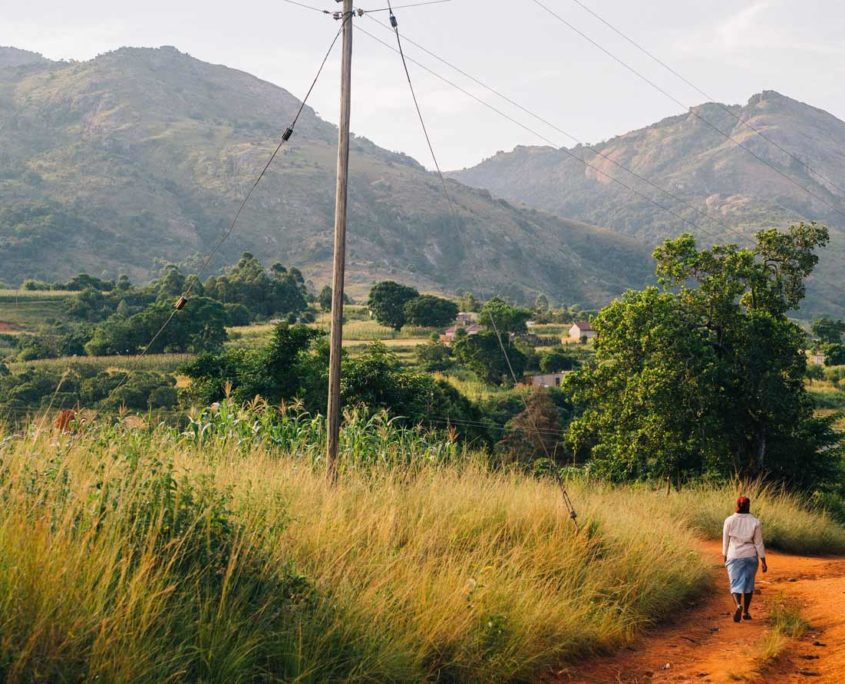
Travel to Swaziland from the United States requires some flight hopping and even more time on the road: Dr. Fox and the team flew from Salt Lake City to Atlanta, and then boarded a plane for a 16-hour flight to Johannesburg, South Africa. The group spent the night there before making the five-hour drive to Ekudzeni in the central region of Swaziland.
Dr. Fox says on her first visit she felt surprisingly at home: The similarities between the landscape in Swaziland and Utah surprised her. The red dirt roads and the mountains surrounding the town were reminiscent of the southern part of her home state.
In this rural area, most residents walk everywhere. Travel to the larger city of Manzini – where medical care is available – takes about 45 minutes by car on rough roads. Although there is a bus, the closest stop is an hour away, and costs money that most families don’t have. Given the transportation challenges, having medical care available in the village can improve the health of children by leaps and bounds.
The medical team already had one big advantage upon arrival: infrastructure constructed by volunteers from Dr. Fox’s church on prior trips. Their CarePoint hosts a cinder block building with a tin roof, a step up from the tents at many locations. Wells supply fresh water, and although they work only sporadically, solar panels offer at least the potential for electricity. This proved to be important to power the nebulizers Dr. Fox brought to treat asthma, one of the more common complaints for children in the region.
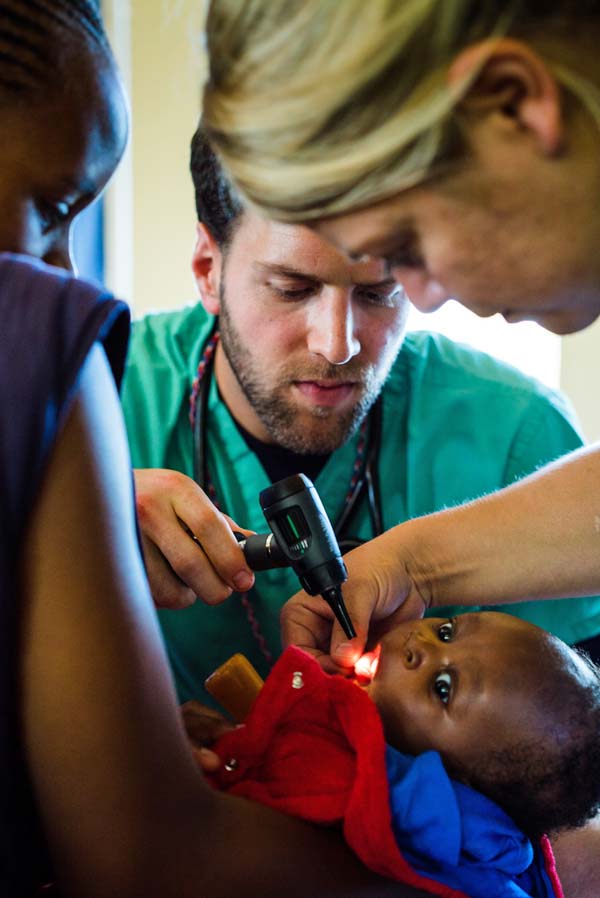
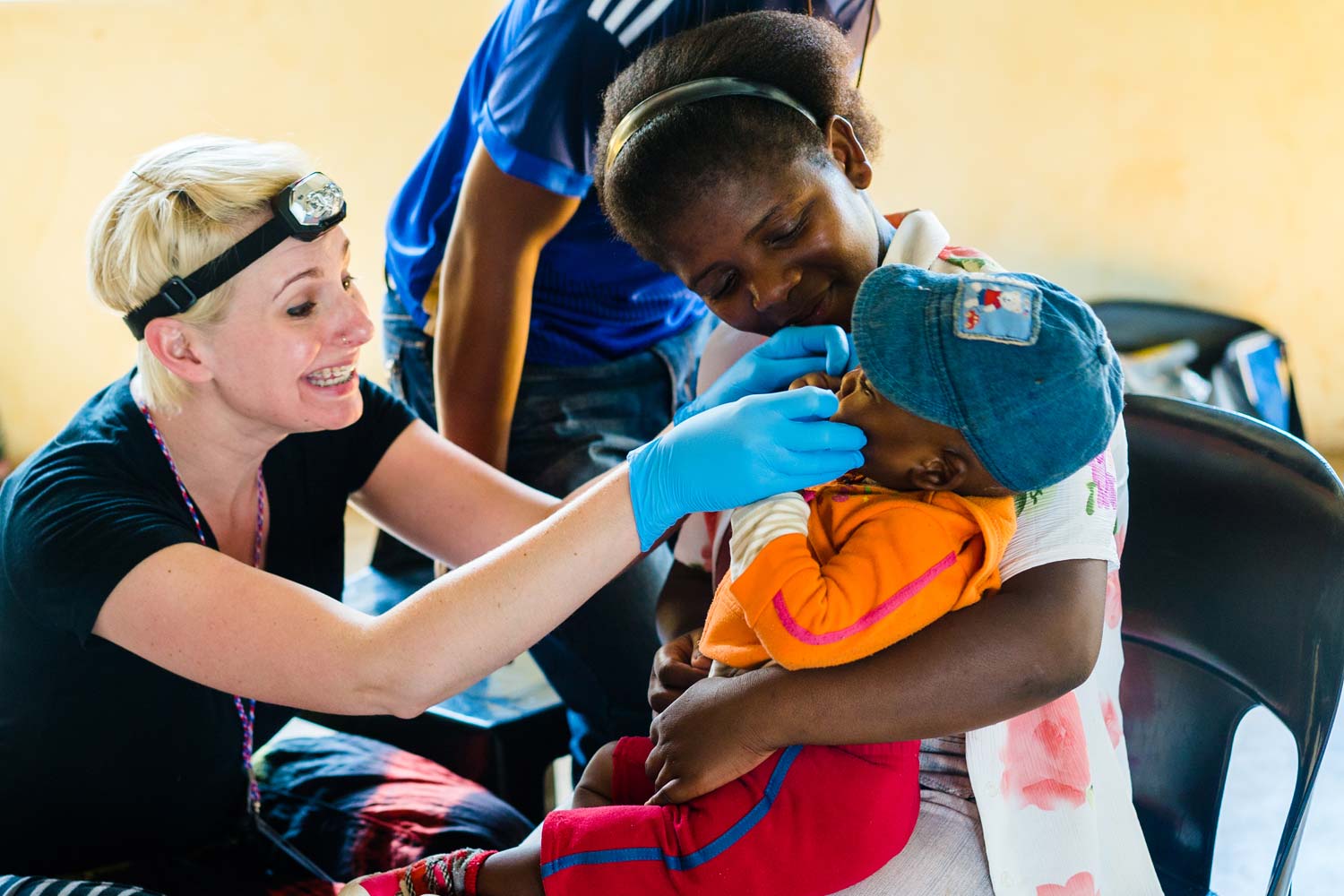
Dr. Fox went prepared for most basic needs. She brought otoscopes, thermometers, stethoscopes, and other common medical tools. Organization proved to be key in setting up a clinic where resources are scarce, and the need is great. The team had all of the medications they brought labeled in plastic bins, and a paper sheet with a list of potential diagnoses and dosages. Dr. Fox would circle the medication and dosage, and the patient would take the sheet to the pharmacy, where a volunteer nurse could fill the prescription.
It’s a system that has served the team well for that initial trip, and two more trips in 2016 and 2017.
“It was a big task the first time,” says Dr. Fox, “and the second and third time it was still big but it’s gotten a little bit easier.”
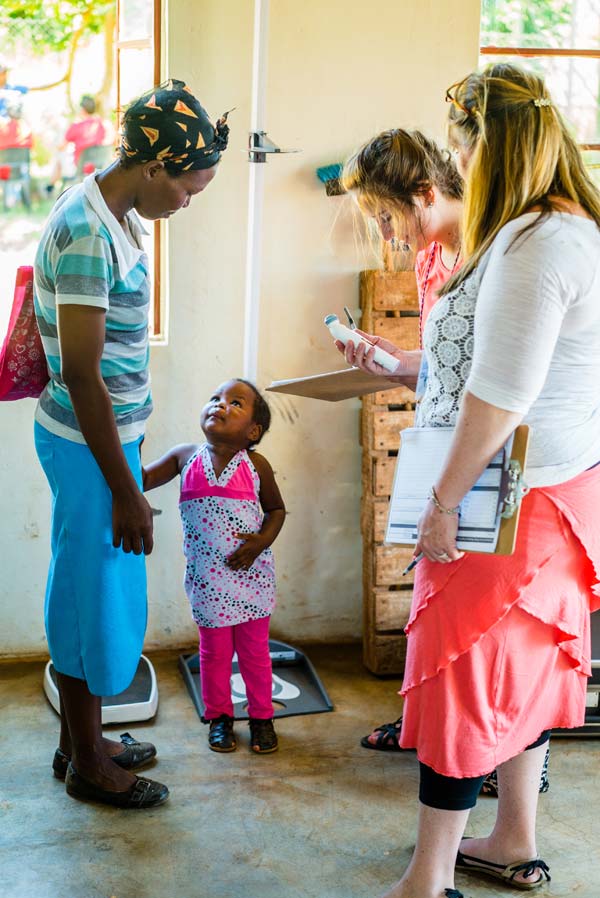
Needs vary, so the team has to be prepared for a range of complaints.
“We see a ton of coughs and colds,” she says. “I was surprised how many kids were wheezing. We see a lot of skin diseases like fungal infections or other infections because they’ve scraped themselves and the wound hasn’t been kept clean.”
One almost ubiquitous problem: intestinal worms. The lack of clean drinking water makes this an all too common cause for stomach pain. Dr. Fox and her team treated these illnesses and provided preventive care for all kids that came to the clinic.
Typically, during their 12 days staffing the clinic, the team sees upwards of 350 children. Their arrival is greeted with much excitement, says Dr. Fox, and the days are mix of medical treatment and breaks for games like soccer and jump rope, also supplied by donations from the United States. Simply being present also proved to be important.
“What impressed me was how happy and thankful these children are [for the work we’re doing],” says Dr. Fox. “But also starving for love. You walk in and you’ll have everybody around you, giving you hugs and wanting to hold your hand. They’re starving for attention and love too.”
With so many of the children orphans who lack a steady adult presence in their lives, the work of the group goes beyond medical care. Volunteers throw birthday parties at the CarePoint, creating special moments to come together and celebrate. Donations help to purchase uniforms for school, a requirement to attend, so kids are learning as well as gaining access to another regular meal every day at school. Families in the U.S. send handwritten notes and photos, fostering lasting connections.
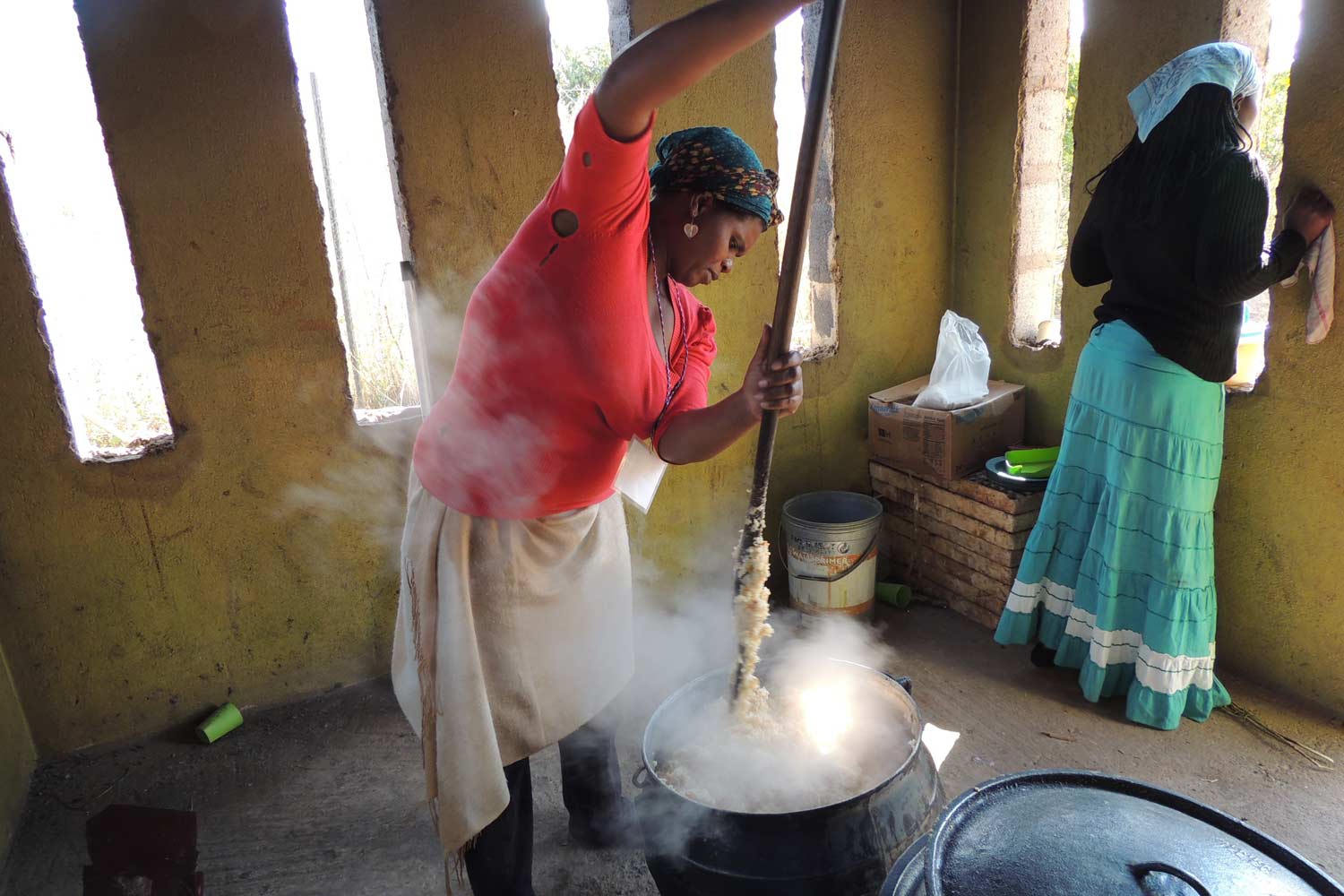
Local volunteers also cook for children in the community, a group of Swazi women Dr. Fox characterizes as the driving force behind the CarePoint. Standing outside over huge iron pots, cooking a rice or corn-based meal for thousands of children for hours at a time, day after day, they’re helping a generation of children to grow up strong and healthy.
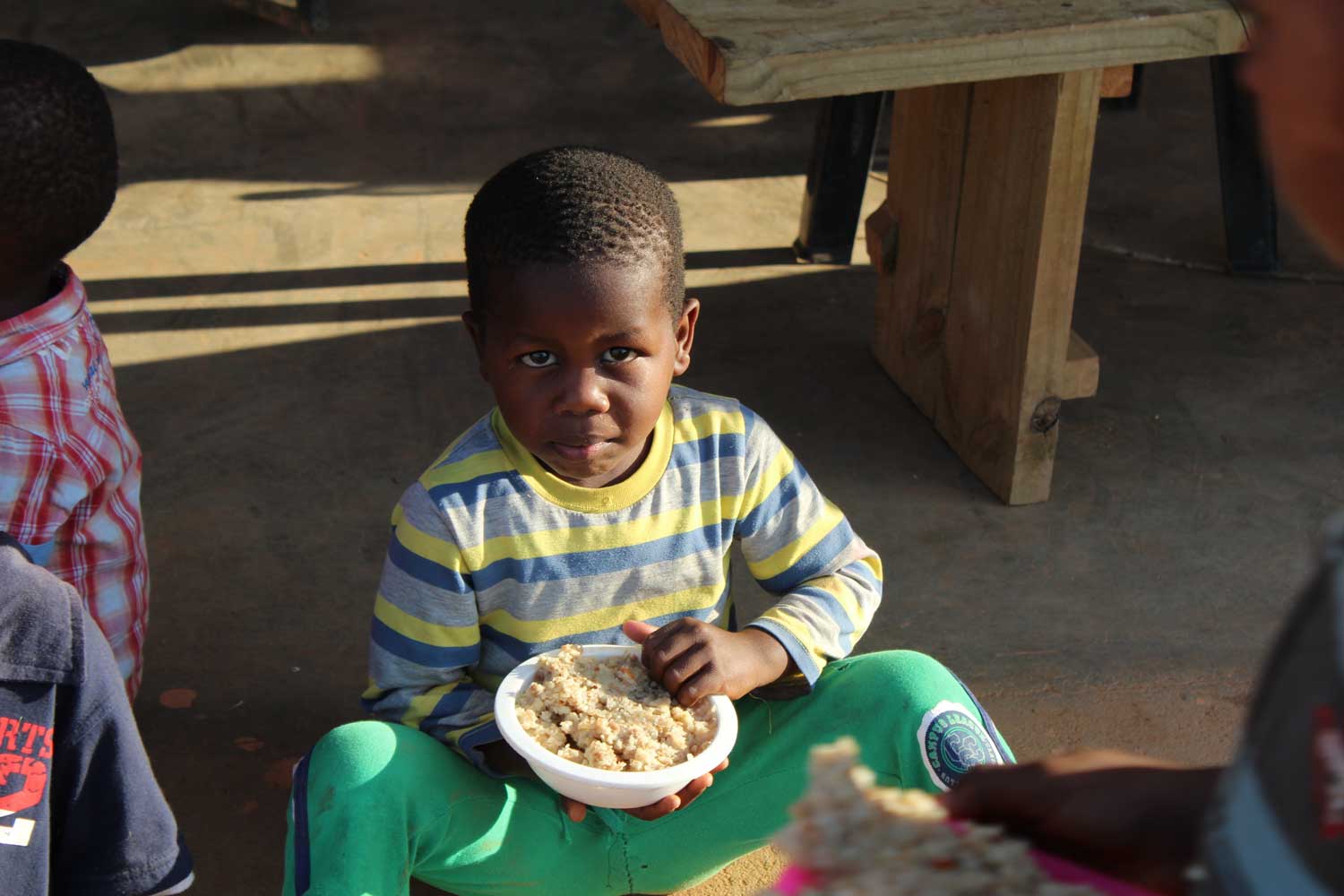
“At 4 p.m., all of the kids stop everything,” says Dr. Fox. “They line up. They have little bowls, containers of some sort that they keep with them. It gets filled to the brim with whatever they’ve cooked that day.”
With kids getting more regular meals, Dr. Fox and her team wanted to track their growth in a more systematic way. In this, they found a partner in PCC. After two years of recording height and weight on handwritten charts, two computers and electronic medical record software donated by PCC made keeping track of children’s growth easier and less prone to human error. Dr. Fox is now in the process of transferring all of the data they’ve collected the first two years over to the computer system.
“When you look at them compared to U.S. kids, these kids are all small,” says Dr. Fox. “It’s malnourishment. Now that these kids are being fed every day at the CarePoint, we are going to see if their growth improves.”
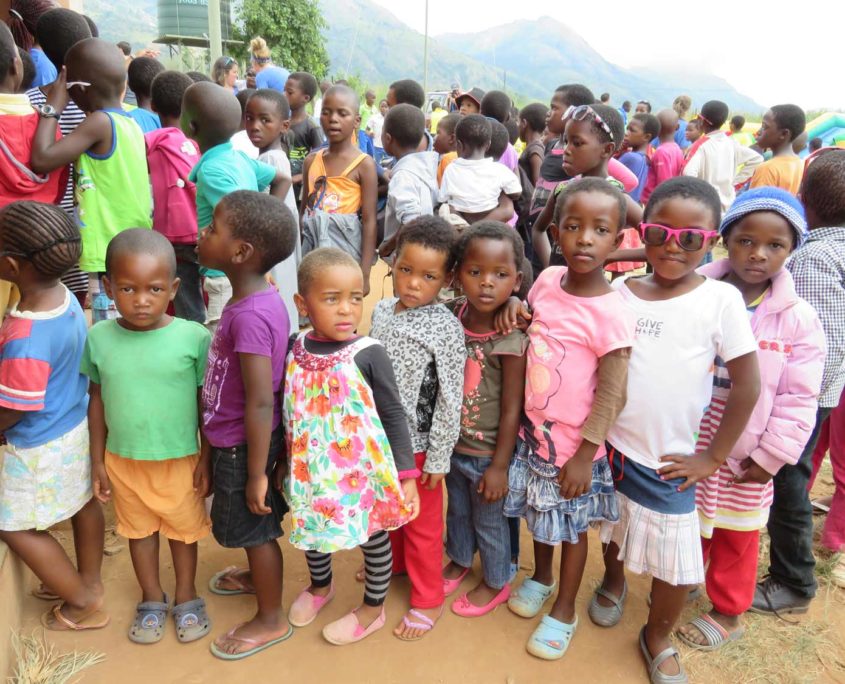
“When you look at them compared to U.S. kids, these kids are all small. It’s malnourishment. Now that these kids are being fed every day at the CarePoint, we are going to see if their growth improves.”Dr. Rita Fox
[1] “Eswatini, Country Factsheets,” UNAIDS, 2016, http://www.unaids.org/en/regionscountries/countries/swaziland ↑
[2] “Africa: Eswatini – The World Factbook,” CIA, https://www.cia.gov/library/publications/the-world-factbook/geos/print_wz.html ↑
A resident of Burlington, Vermont, Erin Post has a B.A. degree in English from Hamilton College, and is a graduate of the writing program at the Salt Institute for Documentary Studies. She is currently working on her master’s in public health at the University of Vermont. In her spare time, she likes to bike, ski, hike, and generally enjoy the Green Mountains of Vermont.
Pediatric care is complex enough — navigating for the future shouldn’t be a solo journey. Join host Chip Hart and learn from pediatricians, industry leaders, and policymakers who are shaping the future of pediatric care. Every episode, we explore their stories, their dreams, and the joy they find in medicine. Together, we’re charting the future of children’s healthcare.

The Independent Pediatrician is brought to you by PCC, which provides tools and services to help pediatricians remain independent and in control of their practices.
PCC itself is a fiercely independent business. As a Benefit Corporation, it puts the interests of its clients, community, and employees on an equal footing with those of its shareholders.


 Passing the Baton: Keeping Your Practice Independent When You Retire