Rural America’s Invisible Patients, Part III: Appalachia
Lovelight PediatricsOakland, MD


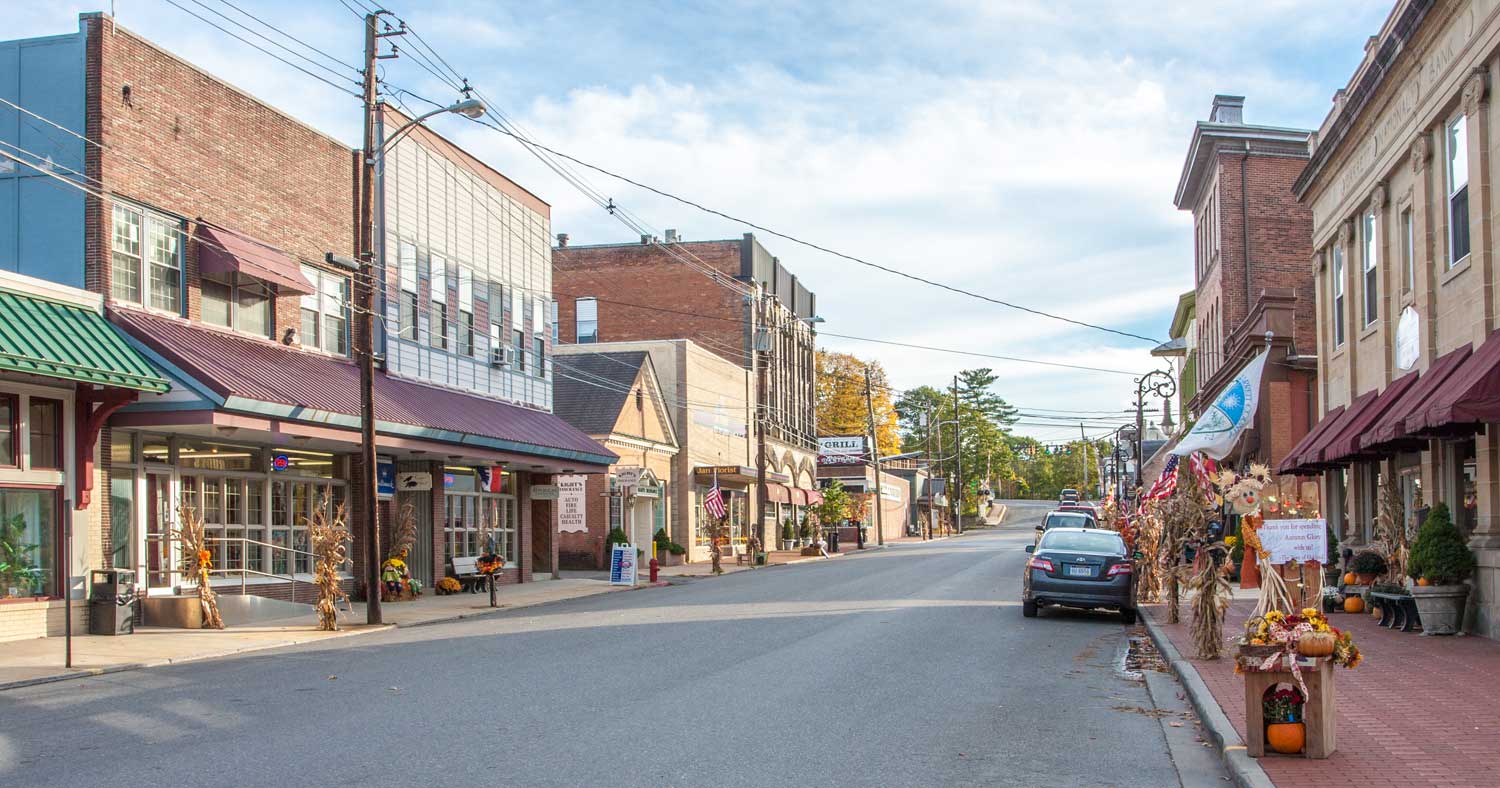
The third installment in a series, this piece explores the factors that limit communities in rural West Virginia and Maryland from realizing access to quality pediatric care. Three distinct regions of the U.S. offer an examination of the questions: In rural poor communities, who is going, or not going, to the pediatrician? What factors prevent families from making it to the pediatrician’s office? And how are independent pediatricians stepping up and stepping in?
Rural poor communities face a unique set of challenges in securing quality health care. There are rarely enough clinicians in a given area. Specialists may be hours away by car. Families might be unable to afford gas to get them there. Issues of race and socioeconomic status are at play as clinicians struggle to secure payments for Medicaid and low-income patients, which can discourage clinicians from practicing in these high-need areas. Together, these factors compound to make reliable pediatric care elusive for families living in rural poverty.
This series examines the massive impediments that limit providers’ ability to serve children affected by rural poverty. An exploration of three distinct regions of the country—the rural South, Appalachia, and tribal lands—sheds light on the questions: in rural poor communities, who is going, or not going, to the pediatrician? What factors prevent families from making it to the pediatrician’s office? And how are independent pediatricians stepping up and stepping in? This article covers a small population of independent pediatricians, but it seeks to bring perspective to the work of bringing quality care to all communities, regardless of location or size.
West Virginia, dubbed by Condé Nast is 2017 as the “ultimate fly-over state,” sits at the heart of Appalachia, one of the poorest regions in the country. 53% of all children1 in West Virginia are covered by Medicaid, the highest rate of any state in the nation. Nearly half of the state’s population lives in rural areas, and rural families are more likely than urban ones to be dependent on Medicaid.2 According to the National Center for Children in Poverty (NCCP), In West Virginia children are 25% more likely to grow up in a poor family, as compared to 19% nationally. “Poor families” are designated as those living below the federal poverty threshold, but the NCCP asserts that, “On average, families need income of about twice the federal poverty threshold to meet their basic needs.”3
West Virginia in particular offers a poignant look at the lack of access to health care for the rural poor. A 2012 Appalachian Regional Commission (ARC) study investigating care access in Appalachia asks: “Is it better to measure realized access, or utilization, rather than supply?”4 In short, are we asking the wrong questions? Instead of asking, Why aren’t there more doctors? perhaps we should be asking: Why aren’t people going? Can health care problems in Appalachia first be improved by assisting patients in getting to the clinic, and understanding why they might choose to stay home. We spoke with a pediatrician in the area who is helping her community grapple with this question, Dr. Stephanie Sisler.
Dr. Sisler practices pediatrics in Oakland, Maryland, just a few miles from the West Virginia line. She serves patients from across Garrett County, which straddles western Maryland and eastern West Virginia. In Garrett County the yearly per capita income from 2013-2017 was just $26,3035; technically above the federal poverty line, but well below what most families need to survive. “Our county is the only one in the state of Maryland that receives all of those federal designations,” says Dr. Sisler. “Rural, impoverished— we check all the boxes.” Dr. Sisler completed her training at West Virginia University (WVU), “which is about an hour from where I grew up,” she says. “I did my undergrad, medical school, and residency there. I had a strong passion for doing well-medicine and rural work, and WVU has a program to support that.”
After graduating in 2015 from her residency, Dr. Sisler joined a family practice in the small town of Oakland, and recently opened her own independent pediatric practice, Lovelight Pediatrics. Before Lovelight opened, there wasn’t a pediatric practice within 50 miles of the town center. “Many of our local offices don’t have the capability to make sure things like lab testing and vision and hearing testing are done for every child,” says Dr. Sisler. “My goal was to change that.”
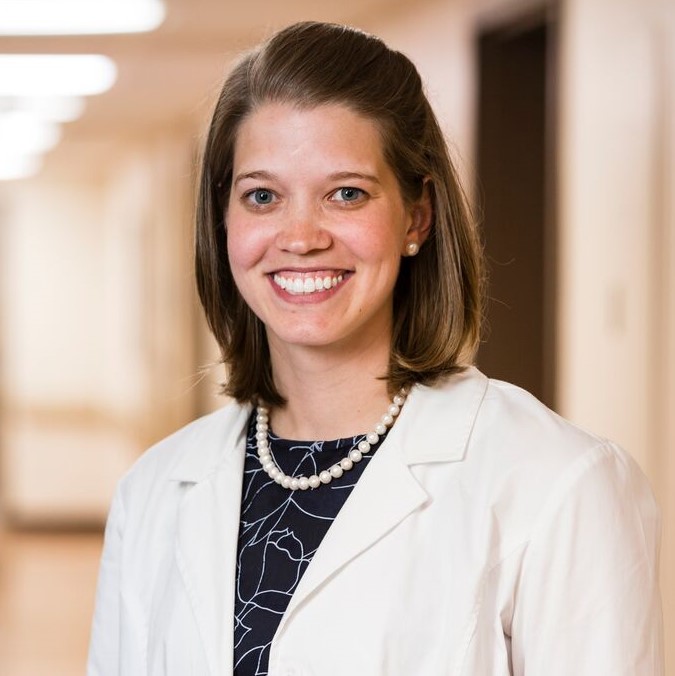
“Many of our local offices don’t have the capability to make sure things like lab testing and vision and hearing testing are done for every child. My goal was to change that.”Dr. Stephanie Sisler
To open the conversation on challenges to delivering pediatric care, Dr. Sisler begins with education and awareness. She describes sitting at a booth at a career fair for fourth and fifth graders at a West Virginia public school. “I was chatting with a group of kids, and told them ‘I am the type of doctor called a pediatrician. Does anyone know what a pediatrician is?’” Dr. Sisler says she was met with blank stares. “Not one kid knew!” She exclaims. “That’s because here folks just have one family doctor who everyone sees—rarely do they go to a pediatrician or a specialist. There’s limited care and limited education throughout the county.”
Lack of education is a significant factor in preventing families from getting their children to pediatric care across the country, but in Appalachia, understanding access to education is particularly complex. “Educational levels, especially with our high teenage pregnancy rate, are relatively low,” says Dr. Sisler. Available statistics on high school graduation rates in the state of West Virginia do not quite match with Dr. Sisler’s (and others’) anecdotal evidence, which suggests graduation rates are much lower than what the state reports. According to the West Virginia Education Association, 86.5% of West Virginia high school seniors graduated in 2015. This statistics is above the national average for that same year, in which 84.1% of U.S. high school seniors graduated. However, this data may not accurately capture the number of children in the area who are homeschooled, who do not have local public schools available to them, or may not have access to transportation to school. In other words, there is likely a population of high school-aged children who never started school in the first place.
Further entangled in inconsistent access to education is the region’s battle with obesity. “We see neglect of routine care,” explains Dr. Sisler. “We have a lot of kids come in for acute issues who have just never been seen, who are way behind on visits and immunizations, on learning how to eat healthy and take care of their bodies.” This neglect of well-visits contributes to the obesity epidemic in Appalachian states, where one-in-three Appalachians is overweight6; The Center for Disease Control (CDC) reports that the highest rates of obesity and diabetes in the country occur in Appalachia, the South, and on some Tribal Lands. “It’s so difficult to get families to change their mindset around obesity,” says Dr. Sisler. “Their belief is: that’s how we all are, it’s genetic. So then they allow their child to continue to get worse, eat boxed food, things like that. Parents feel like there’s no point in trying to address childhood obesity.”
Notably, the CDC recommends community initiatives as one of the most effective means of combating obesity. “Communities are in the best position to prevent and reduce obesity among their citizens through innovative programs,” said Dr. William H. Dietz, director of CDC’s Division of Nutrition, Physical Activity and Obesity. While large scale federal programs may sound like the most effective solutions, small practices with a focus of community are an essential piece of the rural care puzzle. “Maintenance care, as opposed to sounding the alarm when you’re sick, is the ongoing battle,” explains Dr. Sisler.
With little to no public transportation system in Garrett County, it’s challenging to get patients to specialists. Dr. Sisler explains that, “We’re over an hour from the nearest tertiary care center, and we serve a majority of Medicaid patients. Many people can’t afford to make that trip.” She continues: “There is a shortage of providers here. I had a parent call my office and ask to get their sick child in, because their doctor couldn’t see them for three weeks. And this is a common thing.” Lack of transportation, a shortage of providers, and high costs are cited as issues by rural providers across the country, but Dr. Sisler names barriers t0 care that are unique to Appalachia: in particular, cultural views towards medical professionals.
“I’ve found that in West Virginia there are a lot of cultural or religious pressures that keep people from getting to the pediatrician,” she explains. “We see people practicing home remedies and falling prey to misinformation about illnesses and what causes them.” Dr. Sisler offers the example of anti-vaccine misinformation: “We have a lot of anti-vaccine mentalities here. Families will bring in their child because they had to have a physical for school, but they won’t trust anything a doctor says or recommends. If we recommend a vaccine, some parents say they heard it’s dangerous.” While this may be true for some individual families, West Virginia and Maryland actually boast some of the best childhood immunization rates in the country7, with West Virginia at 77.3% and Maryland at 80% of children 19-35 months receiving the CDC’s recommended four-vaccine series. Dr. Sisler’s stories may speak to the discord between rural, underserved areas of these states in contrast to growing urban and suburban populations.
On the subject of patient distrust of physicians, Dr. Sisler offers this story: “I can think of one family that just didn’t get care for so long that their child was diagnosed with a severe infection, the patient lost their leg, and then the family blamed the care they finally did get for this outcome that maybe could’ve been prevented with routine care.” This mistrust or blame may have its roots in a culture of fatalism—the belief that life events are ultimately outside of an individual’s control.
The concept of fatalism falls into the morass of Appalchian character that Ohio-born writer J.D. Vance captured in his memoir, Hillbilly Elegy; a spirit of stubbornness, independence, and isolationism has a strong hold in this part of the country. In her 2011 article, “Self Control, Fatalism and Health in Appalachia,” Wendy Welch argues that fatalism can appear in Appalachia as, “Faith-based; distrust; pride covering poverty; apathy or unwillingness to change; or based on ignorance of potential health outcomes.”6 Welch’s notion of Appalachian fatalism corroborates Dr. Sisler’s stories of parents who believe obesity is purely genetic, or who refuse to vaccinate their children.
Welch writes: “Mistrust of medical professionals is a serious issue in southwest Virginia. This could include the overprescribing of drugs, the indigenous belief that rural areas are served by less competent professionals, or the ubiquitous mistrust of any self-reliant population on knowledge they do not themselves possess.” If a family possesses information to perform a home remedy, but lacks credible information on medical treatment, they will be more likely to trust their own self-reliance. This historic self-reliance, when armed with the Internet, can further deter patients from heading to the doctor. “The Internet, and the freedom of access to misinformation, is really stunting our patients,” says Dr. Sisler. “If I were a young, uneducated mom and I were on Facebook, and I just want to do right by my kid, I can’t say that I wouldn’t question my physician.”
Vaccine-hesitancy has reached a crisis level in the U.S., and health care providers are cited as the most important resource for improving vaccination trends.8 But, like Dr. Sisler, many providers have reported challenges with mitigating the fears of vaccine-hesitant parents, including lack of perceived trust in the provider, or lack of time for explanation during children’s visits.7 These issues all come back to relationships between providers and patient; the building of trust that Dr. Sisler names as essential improving children’s health. “If a colleague of mine treated someone as a child, they’re more open to me treating their child,” Dr. Sisler explains. “In the county committee, we review foster care cases together, and it’s amazing to see people who’ve worked in the county for years recall the parents of our patients when they were foster care kids.”
Dr. Sisler hypothesizes that intergenerational health issues are more prevalent in rural communities versus urban. “We see a lot of broken households here— a lot of single parents, with one of the highest rates of teenage pregnancy in the state of Maryland,” she says. “We see a lot of young mothers who are living with their mothers, and so on.” In fact, the largest demographic of people living in poverty in Garrett County is women between the ages of 25-359: the young mothers that Dr. Sisler described. The Appalachian Regional Commission (ARC) reports that, with a rate for 38.2 births per females ages 15-19, teen births are 10% higher in Appalachia than in the U.S. as a whole. This statistic contains a polarity between urban and rural areas, with “rural, economically distressed counties” reported closer to 59 births per 1,000 teenage girls.
High teen birth rates are a medical issue, but the issue is compounded by economic instability. “We have several patients with housing issues; there aren’t a lot of resources here in terms of affordable housing, day care, or career centers,” says Dr. Sisler. The ARC claims that, “The children of teenage mothers are more likely to have lower school achievement, drop out, have more health problems, be incarcerated during adolescence, and give birth as a teenager.” These incidences can all be described as Adverse Childhood Experiences (ACEs), and require practitioners to take a trauma-informed approach to care.
“What we enjoy most about being here is the small community, and the trust we feel from our patients. I went into medicine because of the relationship I could build with other people.”Dr. Stephanie Sisler
Dr. Sisler has worked as an abuse examiner for Garrett County, so she is familiar with sexual and physical abuse and neglect cases. She described her practice as a “trauma-informed.” “This starts with treating the whole patient,” she says, “including their personal and family history. And to know someone’s personal history, they need to feel they can trust you as a practitioner.”
Similarly to the ethos within Native American tribal communities, Wendy Welch claims that, “Appalachian mountainous populations prioritize mutual respect and human connection; failure to connect can be interpreted as failure to care.” 6 While higher-income populations may be familiar with the brusque doctor, small rural communities seek out close relationships and connection in their healers. Welch argues that practitioners establish trust through, “long-term living in a community,” “listening” to patients and their stories, and “word-of-mouth.”
Dr. Sisler’s approach already embodies these tenets. “What we enjoy most about being here is the small community, and the trust we feel from our patients,” says Dr. Sisler. “I went into medicine because of the relationship I could build with other people. It feels good to provide that reassurance, care or treatment that someone might not accept from a different provider.”
Discussing the future of rural pediatrics, Dr. Sisler mentions Project ECHO, a continuing educational program for doctors that targets physicians in non-urban areas. Working to broaden her scope of practice, Dr. Sisler is currently completing a Project ECHO program that trains physicians in behavioral and developmental pediatrics through the University of Maryland. “Once a week, we get an hour to discuss our difficult cases, get the expert’s opinions and suggestions,” she says. “For providers who really want to be in these rural areas, you need to recognize that you can’t just send your patients to the pulmonologist an hour and a half away. But we can learn to take care of those issues ourselves.” Dr. Sisler is self-taught in more ways than one; she has also grown her skills as a business manager through PCC’s WeCare training and support.
Dr. Sisler continues: “We’re always talking about downsides, negative trends in rural communities, but there are so many reasons why a lot of us choose these places. We get to see such a variety of pathologies and practice medicine that you might not in urban areas. I’m the one who gets called for rare procedures on newborns that people working for ten years plus haven’t gotten to perform.” A small rural community has given Dr. Sisler an opportunity to advance her own learning, and to see the positive outcomes of her efforts.
In an era where health care can feel impersonal and commodified, practicing in a rural setting offers human connection and affirming relational trust between providers and patients. The three regions profiled in this series—the South, Tribal Lands, and Appalachia—can serve as canaries in the coal mine as we seek to understand health problems affecting the U.S. population more broadly. Although many rural communities face dire health care challenges, the communities profiled here are meeting those challenges with grassroots community efforts, initiatives, and integrity. And while Dr. Sisler has been confronted with vaccine-hesitant parents in her office, West Virginia and Mississippi currently lead the country in childhood vaccination rates because of work done at the state level to protect their most vulnerable populations.
In the fight for equity in children’s health, it is essential to include the stories of rural America alongside those of inner-city communities. Education and awareness are essential to uplifting communities living in poverty, but they are no less critical for those of us who are allies in the struggle for health care justice.
[1] https://www.kff.org/medicaid/fact-sheet/medicaids-role-in-west-virginia/ ↑
[2] https://www.kff.org/medicaid/fact-sheet/medicaids-role-in-west-virginia/ ↑
[3] http://www.nccp.org/profiles/WV_profile_7.html ↑
[4] https://www.arc.gov/assets/research_reports/HealthCareCostsandAccessDisparitiesinAppalachia.pdf ↑
[5] https://www.census.gov/quickfacts/garrettcountymaryland ↑
[6] Welch, Wendy. Journal of Appalachian Studies, Vol. 17, No. 1/2 (Spring/Fall 2011), pp. 108-122. JSTOR ↑
[7] https://www.cdc.gov/vaccines/imz-managers/coverage/childvaxview/data-reports/4-series/reports/2017.html ↑
Emily Graf is a freelance writer, wilderness educator, and English teacher living in Colorado. She is passionate about telling stories that promote equal access to quality health care. She can be contacted at emgraf11@gmail.com for inquiries.
Pediatric care is complex enough — navigating for the future shouldn’t be a solo journey. Join host Chip Hart and learn from pediatricians, industry leaders, and policymakers who are shaping the future of pediatric care. Every episode, we explore their stories, their dreams, and the joy they find in medicine. Together, we’re charting the future of children’s healthcare.

The Independent Pediatrician is brought to you by PCC, which provides tools and services to help pediatricians remain independent and in control of their practices.
PCC itself is a fiercely independent business. As a Benefit Corporation, it puts the interests of its clients, community, and employees on an equal footing with those of its shareholders.


 Keeping the Doors Open: 100 Years of Independent Practice