A Female-Driven Future: Six Essential Tips for Success
Women in Pediatrics


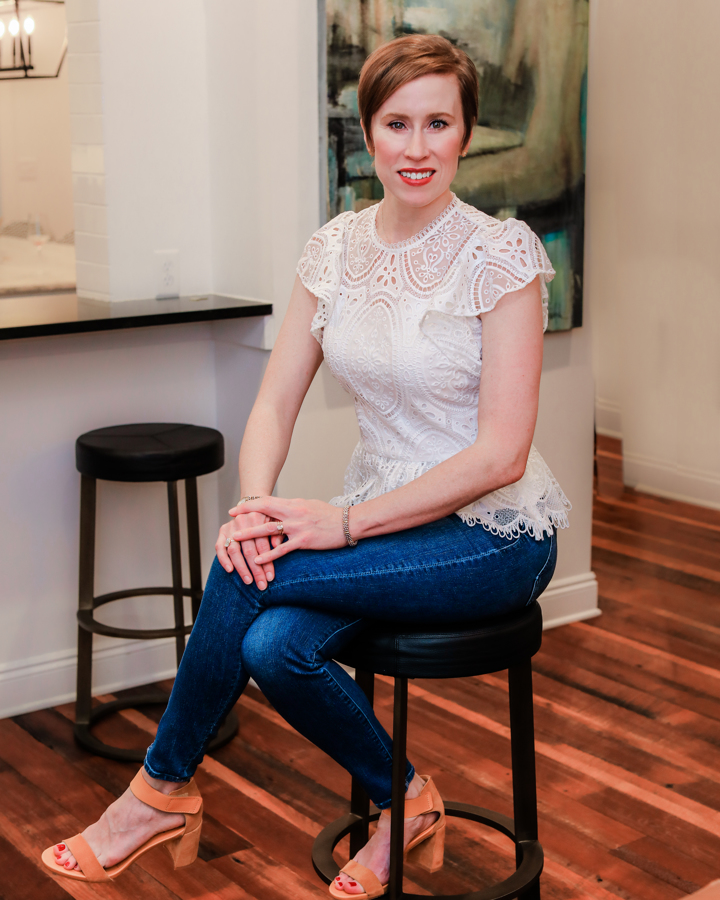
For Dr. Katrina Skinner MD FAAP, President at Fairhope Pediatrics in Fairhope, AL, the catalyst to found the organization Women in Pediatrics came down to a wardrobe choice. When speaking at an American Academy of Pediatrics (AAP) chapter meeting in September of 2019, she chose to wear a “The Future is Female” t-shirt, just visible under her jacket. After the meeting, a number of female pediatricians approached her to say that the shirt’s message resonated with them. “It was amazing how the shirt prompted so much discussion. Many female colleagues expressed that they felt isolated as women in the field of pediatrics, despite the prevalence of females in the specialty.” said Skinner. “It was then I knew I had to do something to support female pediatricians and their unique needs.”
In medicine, and particularly in the specialties of obstetrics and gynecology, allergy and asthma, and pediatrics, the future truly is female. The percentages of female practitioners in these specialties come in at 83.4, 73.5, and 72.1 percent respectively, according to a 2019 joint report released by American Medical Association (AMA) and the Association of American Medical Colleges (AAMC). Also in 2019, The Washington Post reported that for the first time in history, women outnumbered men in U.S. medical schools.
The Washington Post further cited that female doctors tend to be younger than their male counterparts, with 80 percent of doctors 65 and older being male, while, in contrast, 60 percent of doctors younger than 35 are female, meaning as older male physicians retire, many of them will be effectively replaced by women. The changing face of medicine in the U.S. from male to female will likely lead to a reimagining of industry culture to support and retain female physicians.
“Many female colleagues expressed that they felt isolated as women in the field of pediatrics, despite the prevalence of females in the specialty.”Dr. Katrina Skinner, Fairhope Pediatrics
While, in general, the number of physicians in private practice appears to be in decline since 2012, Physician’s Computer Company (PCC) , an electronic health record and solutions provider for independent pediatricians, reports that 85 percent of the independent pediatric offices opened since 2007 were founded by females. According to PCC consultant Chip Hart, of the practices launching with them in the beginning months of 2021, over 95 percent were owned exclusively by women. This data marks a distinct shift in the ownership of private practices, which have been traditionally male-dominated.
When asked about her decision to open a private practice, Hiral Lavania, MD, FAAP, IBCLC of One Family Pediatrics in Cumming, GA had this to say: ”I got to a point in my career where I felt I was out of room for growth and wanted to do more. After doing a lot of research, I decided to take the leap and open an independent pediatric practice—and I absolutely love it.”
Kendall Connick, NP, who opened Sprout Pediatrics with three other women in Metairie, LA in July of 2020 expressed the same desire to break free of the constraints of health-system medicine and join a strong team of like-minded women. “The fact that we are exclusively female-owned is actually a strong selling point to our patients. Due to our long-time residence in the area, we know everyone, and everyone knows us. We have really never encountered a negative gender bias experience. Our community fully supports us and celebrates our accomplishments as women, which is a huge plus.”
When asked why they chose to specialize in pediatrics, Skinner, Lavania, and Connick all cited a preference for working with children over adults, especially in the impact that can be made in forming healthy lifelong habits at an early age rather than trying to break bad habits in adults.
Despite the clear trend in the gender of practicing physicians and the predominance of women in pediatrics, there is no subgroup within the AAP specifically for female practitioners—an oversight Skinner seeks to remedy with the founding of Women in Pediatrics. “Simply put, the challenges and needs of female physicians, as well as owners of private practices, are just different than those of males,” explains Skinner. “And there was no group that sought to specifically support those challenges and needs.”
According to Skinner, “Members of our organization feel like they are practicing in a silo, which can be very isolating.” Often, these feelings of seclusion are linked to being the only woman at a practice, or even because of isolated practice locations. “For many independent female physicians, you have reached a point in your career where you are different from other professional women. There are very few people who can understand and empathize with the challenges you face, and you might be intimidated to seek out other mentorship,” said Skinner. “One of the goals of Women in Pediatrics is to break down those silos and provide the opportunities for mentorship so many female pediatricians crave.”
Dr. Lavania echoed the sentiments expressed by Skinner regarding some of the challenges she has faced as a female practice owner-operator. Despite the advancements made by women in the workplace, the fact is that women are overwhelmingly expected to juggle the burdens of work life and home life– to “do it all.” Men are often not subject to the same pressures as women when it comes to the home and childcare, even when the female in the marriage or partnership has a high-pressure job. Unfortunately, the cultural expectations on female professionals may be contributing to an even greater crisis, that is the higher burnout rates for female physicians in contrast to those of their male counterparts. A 2019 review of the literature published by the National Academy of Medicine found that the increased burnout rates for female doctors may be attributed to factors such as the pressures of a dual-career home, the gender wage-gap, reduced chances of promotions to leadership positions, lack of role models, higher rates of gender bias, and even increased chance of sexual harassment in the workplace.
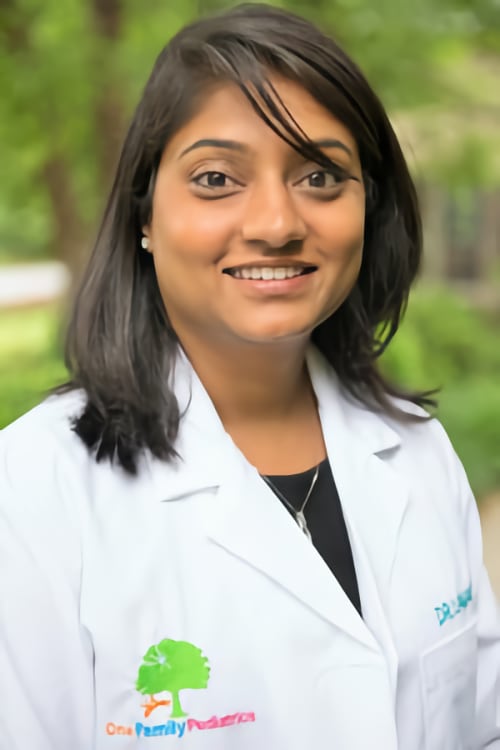
“I got to a point in my career where I felt I was out of room for growth and wanted to do more. After doing a lot of research, I decided to take the leap and open an independent pediatric practice—and I absolutely love it.”Dr. Hiral Lavania, One Family Pediatrics

“Simply put, the challenges and needs of female physicians, as well as owners of private practices, are just different than those of males. And there was no group that sought to specifically support those challenges and needs.”
Dr. Lavania shared one example of gender bias she experienced that was particularly troubling. When she sought to do a build-out for her new practice, she felt that her gender got in the way. “Sometimes, when speaking to contractors or building vendors, there was the sense that they were not taking us seriously because we were women. It is doubly important to find vendors whom you can trust and with whom you can share a mutual respect as a female practitioner.” Confronting some of these challenges and providing tips and support for the increasingly female healthcare workforce will become even more critical as the US faces a significant physician shortage, expected to skyrocket to over 133,000 in less than two years.
The founding and growth of the Women in Pediatrics organization is an encouraging step in the right direction towards supporting the needs of female practitioners. When asked about the advice they wished they had received as the began their practices, Skinner, Lavania, and Connick had these tips to share.
Although the organization is fairly new, founded in 2019, the response has been resoundingly positive. Women in Pediatrics hosted its first annual conference in October 2020 as a virtual event, due to COVID-19 precautions. Despite the limitations, it was a successful event that covered a variety of helpful topics such as advocacy, media training, leadership, and personal & practice branding. The theme of that first event was “Reveal Your Undercover CEO” with an emphasis on the types of skills necessary to build and promote an independent practice. “With each new event we host, our organization is growing stronger, and we are hearing very positive feedback from our members,” shared Skinner.

“At the end of the day, we as female pediatricians and nurse practitioners are privileged to work in a very rewarding field. Even as challenging as it can be, each day is a blessing. When we have the right support, our ability to positively affect the health of the next generation is truly limitless.”Kendall Connick, NP, Sprout Pediatrics
From just a quick glance at the “What Our Members Say” page of the organization’s website, it is overwhelmingly clear that Skinner has created the type of group that has been missing in the pediatric space. Members describe the group as a wonderful place to connect with other female practitioners and truly thrive, without the fluff sometimes found in other female-centered groups. Women in Pediatrics is also inclusive to male participants and speakers. Says Skinner of the group on her own LinkedIn page, “We keep our talents, thoughts, and fears bottled up inside because we don’t practice in a collaborative environment or we don’t feel comfortable sharing. Clearly, we don’t benefit from this aspect of our independence. When we share our experiences, talents, and wisdom, we grow closer and stronger.”
With the increasingly female-driven future of medicine, pediatrics, and independent practice, it is essential to support the unique needs of the growing community, whether through groups like Women on Pediatrics, or more broad-sweeping cultural and policy updates. As Connick put it, “At the end of the day, we as female pediatricians and nurse practitioners are privileged to work in a very rewarding field. Even as challenging as it can be, each day is a blessing. When we have the right support, our ability to positively affect the health of the next generation is truly limitless.”
Allyson Howard is a firm believer that well-crafted stories can redefine brands and organizations, reinvigorate internal and external business communications, and engage and inform consumers in groundbreaking ways. Her BA in English and Education from the University of Iowa, as well as her MS in Professional Writing from NYU, have positioned her to create a wide range of content tailored to communicate unique brand voices and messages. She lives outside Chicago with her family and enjoys cooking for loved ones and reading.
Pediatric care is complex enough — navigating for the future shouldn’t be a solo journey. Join host Chip Hart and learn from pediatricians, industry leaders, and policymakers who are shaping the future of pediatric care. Every episode, we explore their stories, their dreams, and the joy they find in medicine. Together, we’re charting the future of children’s healthcare.

The Independent Pediatrician is brought to you by PCC, which provides tools and services to help pediatricians remain independent and in control of their practices.
PCC itself is a fiercely independent business. As a Benefit Corporation, it puts the interests of its clients, community, and employees on an equal footing with those of its shareholders.


 Close Communities from Far Away: How Keānuenue Pediatrics Fights for the U...