Working Together To Remain Independent
BCD Health PartnersSaddle Brook, N.J.


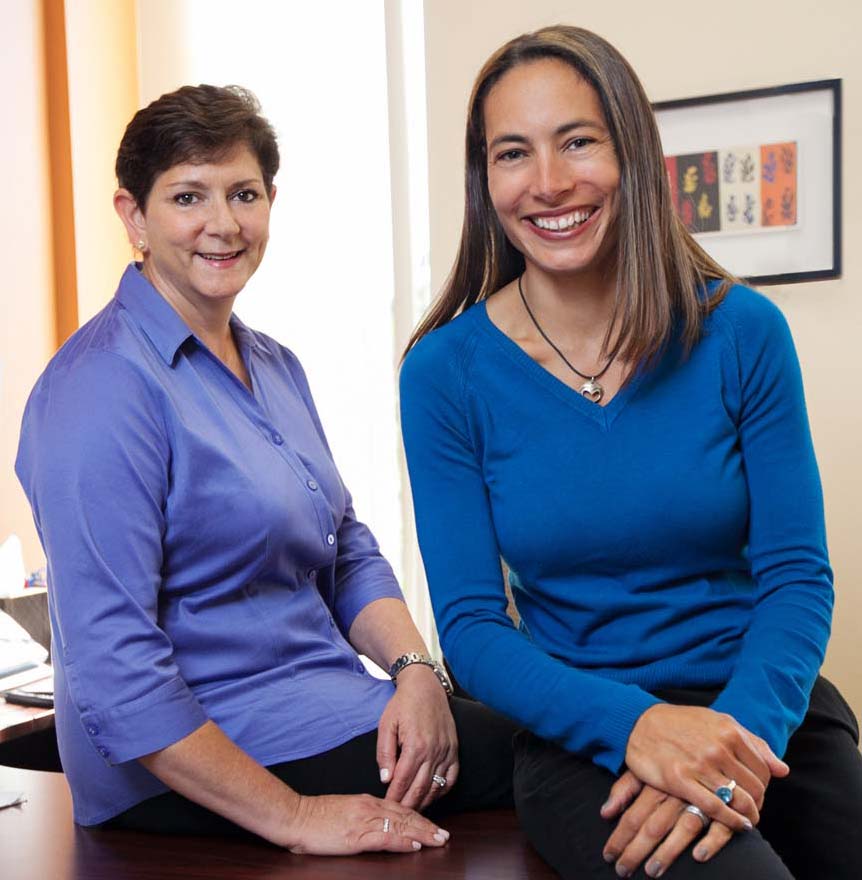
In 2010, Denville Pediatrics was at the top of its clinical and financial game. The four-doctor private practice in northern New Jersey had emerged from a long period of inefficiency to improve quality and double its partner income within three years. Revenue was now available to hire another physician, to purchase new and better clinical equipment, and to give the waiting room a much-needed facelift. Schedules were filled with satisfied patients.
Then the ground shifted. Dr. Krekamey Craig, the Denville partner who championed the practice’s turnaround, read an article trumpeting the demise of the independent physician. Doctors, it said, were abandoning their private practices for hospital employment. Hospitals were buying up smaller practices as care continued to shift from an inpatient to outpatient setting. In fact, hospital ownership of physician practices had tripled from 25 percent in 2002 to nearly 75 percent in 2011.
“What I read was a very grim outlook for the independent, small private practice, and it really worried me,” said Dr. Craig. “We were finally in a good place, and all of a sudden we might end up with nothing?”
While merger activity has slowed since this time last year, hospitals continue to acquire physician practices with the same misplaced enthusiasm of the 1990s, despite continuing to lose between $150,000 and $250,000 per year in revenue over the first three years of employing a physician, according to a 2011 report from the New England Journal of Medicine.
In 2010, Denville’s suburban practice was financially sound and planning to implement an electronic health record (EHR). It was, however, competing against a large number of small private practice groups and ripe for hospital acquisition. So the practice joined forces with two other practices from neighboring Bergen County to form their own merger, on their own terms.
BCD Health Partners, LLC – comprised of Denville, Chestnut Ridge Pediatrics and Broadway Pediatrics – debuted in November, 2011. The group has since expanded to include five practices in northern New Jersey, and is negotiating with a sixth, putting it on track to meet its goal of doubling in size by 2014.
The “group without walls” operates under a centralized business office that oversees billing and human resource management, information technology, purchasing, and inventory. Meanwhile, each practice, or “care center,” retains the autonomy to make daily decisions affecting its clinical processes, location and team.
“Hands down, it was the best move we ever made,” Dr. Craig said of the merger. “I love the autonomy. I was interested in maintaining my lifestyle. I want to retire from Denville Pediatrics as a primary care doctor who can see patients under my own rules, not under another entity.”
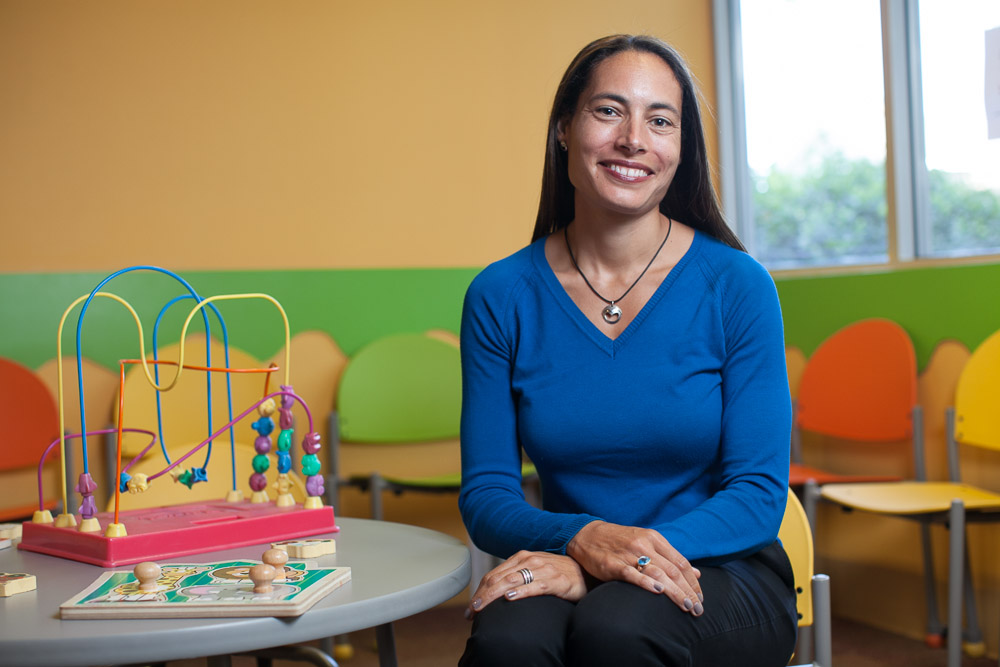
“I want to retire from Denville Pediatrics as a primary care doctor who can see patients under my own rules, not under another entity.”Dr. Krekamey Craig
BCD was formed to improve care delivery and quality, gain efficiencies of scale, and reduce costs.
Financially, bigger is proving better for BCD, said Dr. Jill Stoller, group president. Revenue has increased across the board, she said, and cost sharing among care centers has reduced monthly operating expenses. BCD’s size and leadership has also attracted the attention of New Jersey’s largest Blue Cross/Blue Shield network, which has asked the group to help develop and pilot its new Patient-Centered Medical Home program. BCD will likely find similar opportunities, given its enhanced visibility, Dr. Stoller added.
Dr. Daniel Schwartz, of BCD’s Broadway Pediatrics Care Center, has called the merger a “no-lose proposition.” Dr. Schwartz, who also serves as the group’s resident technology liaison, said BCD’s centralized business and technology structure has allowed each practice to make improvements, from website enhancement to EHR adoption, that otherwise would have been difficult or impossible to achieve. What’s more, larger groups, in general, are in a better position to research, buy and implement required technology, such as EHR systems.
Practice mergers can also be the answer for physicians disillusioned by the demands of a changing health care environment. Increasingly, doctors are disappointed with medical practice and pessimistic about the future of their profession, according to a physician survey released in 2012 by the Physicians Foundation.
Eighty-two percent of physicians surveyed agree that the medical profession is in decline, the report said. The majority of these physicians (which include practice owners) identify “too much regulation/paperwork” as the most important factor in the profession’s decline. They also cited “loss of clinical autonomy,” “physicians not compensated for quality,” and “erosion of the physician/patient relationship” as factors.
BCD’s Dr. Stoller argues that a well-planned merger can provide the profession with a shot in the arm, bringing together like-minded doctors who can work as a group to face today’s health care challenges.
“A group without walls, or a larger group, is a way to fight back against all that government intrusion and changing HIPAA standards and regulations,” Dr. Stoller said. “Centralizing a core business center allows a doctor to do more doctoring.”
Said Dr. Craig: “Not only has joining BCD allowed us to retain our independence, I can now focus on fewer issues. I no longer have to deal with insurance contracts, health insurance or malpractice, and I can definitely spend more time just taking care of patients.”

“A group without walls, or a larger group, is a way to fight back against all that government intrusion and changing HIPAA standards and regulations. Centralizing a core business center allows a doctor to do more doctoring.”Dr. Jill Stoller
A well-planned practice merger can provide improved financial performance and help secure a future in the marketplace. But the effort takes research, a shared vision, and a willing-ness to work on behalf of the group. A hastily devised merger can result in distrust, poor communication, lost revenue and inefficient operations.
“This is not for people who can’t be team players,” BCD’s Dr. Stoller said. “You have to work with a committee structure, and decisions are vetted through the board. The reality is you’ll never be able to do everything you want to do as a member of a group, so there has to be a certain amount of trust.”
BCD was originally formed by practices that are similar in size, patient demographic and vision for delivering quality health care. Each practice is also well established and financially successful in its own right and managed by physicians who knew one another prior to the merger. Equally as important, BCD practices use the same practice management and EHR systems.
“This model is designed to improve the quality of care all around,” Denville’s Dr. Craig said. “It allows our Care Centers to focus more on pediatrics and less on the distractions of day-to-day business.”
Hospitals lose upwards of $100,000 per doctor per year on the private practices they purchase, and lose more the longer they own the practice. Salaries tied to performance take a hit when the hospital is unable to manage the pediatric revenue stream. 1
[1] David Mann, “Loss in transition: Hospitals face financial challenges with integrating physician practices,” Louisville Business First, May 24, 2013, https://www.bizjournals.com/louisville/print-edition/2013/05/24/loss-in-transition-hospitals-face.html ↑
Pediatric care is complex enough — navigating for the future shouldn’t be a solo journey. Join host Chip Hart and learn from pediatricians, industry leaders, and policymakers who are shaping the future of pediatric care. Every episode, we explore their stories, their dreams, and the joy they find in medicine. Together, we’re charting the future of children’s healthcare.

The Independent Pediatrician is brought to you by PCC, which provides tools and services to help pediatricians remain independent and in control of their practices.
PCC itself is a fiercely independent business. As a Benefit Corporation, it puts the interests of its clients, community, and employees on an equal footing with those of its shareholders.


 Leap of Faith