Close Communities from Far Away: Partners4Kids in the U.S. Virgin Islands
Partners4KidsU.S. Virgin Islands


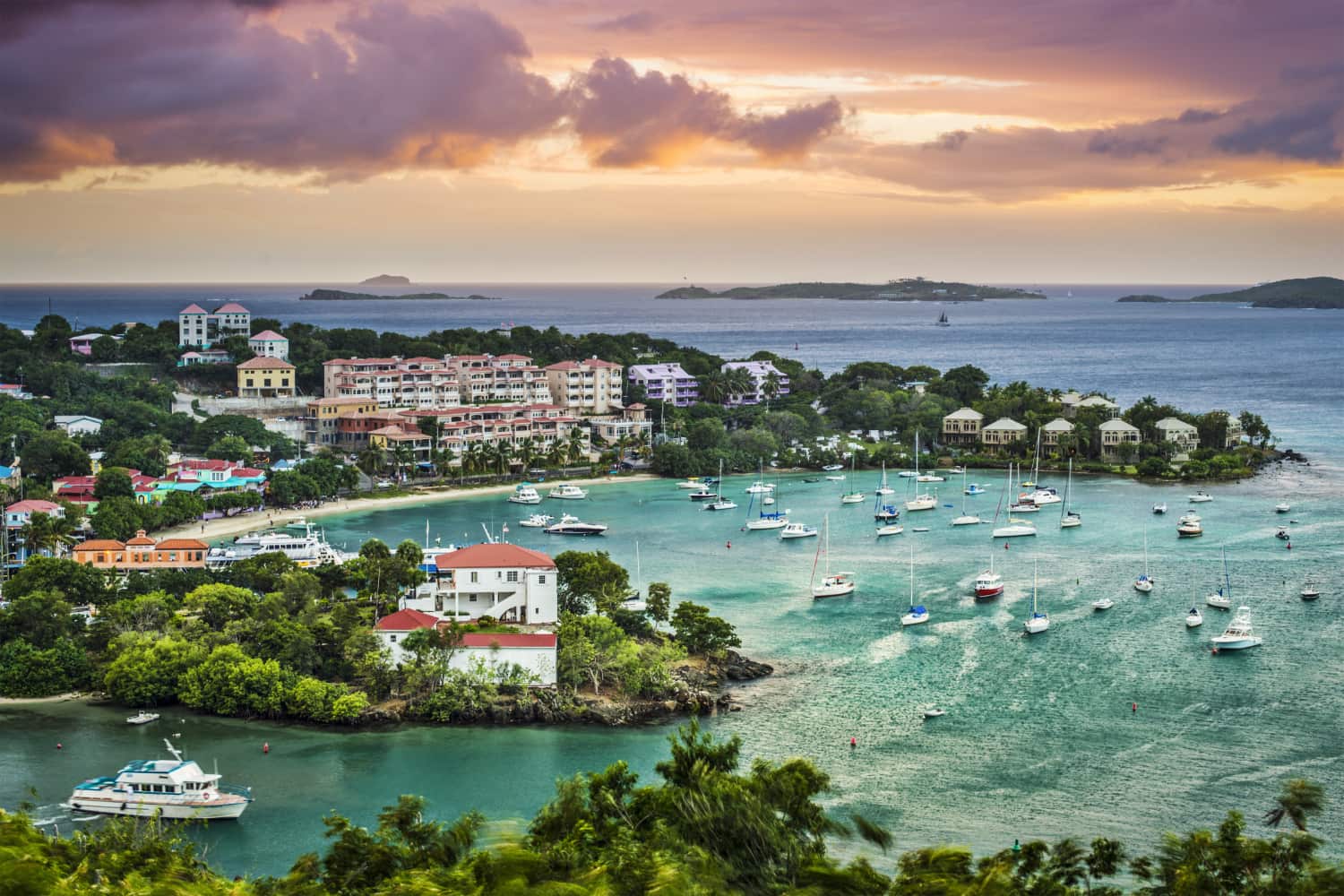
The “Close Communities from Far Away” series features pediatricians working in a diversity of geographic locations, from Alaska to Hawaii and everywhere in between. Learn more about what they love about their communities and the opportunities and challenges they face.
At the beginning of 2017, Dr. Cecilia Penn’s pediatric practice, Partners4Kids, had hit its stride. After more than three years of serving patients and families in St. Thomas in the U.S. Virgin Islands, she added another pediatrician and expanded to an additional site located in Tortola in the British Virgin Islands.
And then disaster struck.
“We had Hurricane Harvey, then we had Hurricane Irma, then we had Hurricane Maria,” she says. “And life changed dramatically.”
In the chaotic days following the string of hurricanes in August and September of 2017, she had to focus on the basic necessities to keep the St. Thomas office open. A generator and flood lights helped in the face of ongoing power outages.
“We had [the flood lights] in all of the exam rooms that didn’t have windows,” she says. “We had them at the nurses’ station and the front office, because you just couldn’t rely on having power. We did what we needed to do. And we saw patients as we could.”
Even as the islands slowly recovered, travel remained difficult, making it a challenge to sustain the satellite location in Tortola.
“There was no ferry,” says Dr. Penn. “We closed the Tortola office and it remained closed for a good year and a half.”
Now, five years after the hurricanes, Dr. Penn is optimistic about the future. She characterized 2018 as a “rebuilding” year, both for her practice and the islands, as many businesses closed and there was a mass migration off the island. Then of course the COVID-19 pandemic hit in 2020, once again stretching resources thin.
It’s been a lesson in staying focused on the bigger picture, always coming back to the needs of the families she serves.
“We have had to learn to be resilient in whatever challenges we face whether it’s a natural disaster, a public health crisis, or a change in the economic flavor of the community,” she says. “You really have to try to be resilient through it all if you’re dedicated to your mission.”
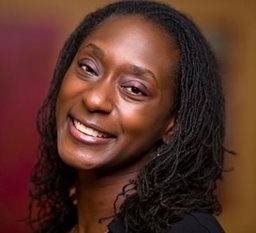
“We have had to learn to be resilient, whatever challenges we face, whether it’s a natural disaster, a public health crisis, or a change in the economic flavor of the community. You really have to try to be resilient through it all if you’re dedicated to your mission.”Dr. Cecilia Penn
In St. Thomas, a 31-square-mile island that is home to just over 42,000 residents, Dr. Penn is one of only three pediatricians focused solely on outpatient pediatrics. Out of six pediatricians, three trained in combined internal medicine and pediatrics and now split their time between caring for adult and child populations.
This translates to a very busy practice with a diverse range of patients from across the U.S. Virgin Islands, which includes the islands of St. Croix and St. John in addition to St. Thomas. Dr. Penn says she has seen needs change dramatically over the last five years.
“Our population base was very different [prior to the hurricanes] – we used to have 80 percent insured,” she says. “Now we have 60 percent insured and 40 percent self-pay or uninsured.”
Because of the U.S. Virgin Islands’ status as an unincorporated territory, patients’ access to insurance differs from the mainland United States.
“We have a medical assistance program,” she says. “It’s similar to Medicaid, but our Medicaid can only be utilized at the public health clinics or the hospital. It cannot be used in private practice.”
For specialty services like speech or physical therapy, patients need to go through an authorization process to receive medical assistance, which can be cumbersome especially when faced with multiple visits over months or even years.
As a result, Partners4Kids spends a lot of time helping families navigate the system to get the help they need to pay for health care, especially now, as many struggle to find work in a challenging economy devastated by the hurricanes. Businesses were destroyed and the cruise ships – a staple of life on the island – stopped coming.
The population of St. Thomas dropped a stunning 18 percent between 2010 and 2020, according to the U.S. Census Bureau, likely in part a result of residents choosing to start over elsewhere after the hurricanes destroyed homes and livelihoods.
Longstanding health care-related challenges in the Virgin Islands were also exacerbated in the aftermath of the storms. In a 2018 report from the Kaiser Family Foundation, residents reported “difficulties managing chronic conditions without power and with limited access to fresh food” and water even months after the hurricanes, while the number of residents experiencing anxiety, depression and post-traumatic stress disorder rose dramatically.
Then, just as communities started to recover, the COVID-19 pandemic hit. The cruise ship industry once again shut down, which had ripple effects on the hotels, shopping districts and “mom and pop” stores in town.
“A lot of businesses closed or left due to the storms,” Dr. Penn says. “And then again from the pandemic. Now you have mostly a government-employed community, especially with the lack of tourism.”
Renovation to damaged school buildings has been slow, which has impacted the health of children in many ways.
“There was a lot of water damage,” she says. “Not every school has had a chance to rebuild or remediate their mold issues.”
And then the pandemic added further challenges especially when it comes to mental health. Public schools have been closed since the pandemic began in 2020, she says, and only recently reopened. Many kids have found the transition difficult.
“I’ve been working with patients who are very anxious,” she says. “You’ve been forced to be by yourself. And now you have to go out in the world of public school and you have 30, 40 kids in your class.”
She’s concerned about patients who have skipped routine screenings over the past several years. The goal is to rebuild partnerships with local schools through an island-wide school health initiative to make preventive care as accessible as possible to kids who need it.
“We haven’t been able to go into schools to provide physicals or do any educational talks,” she says. “That is one of the things that we did pre-pandemic that I would very much like to resume.”
Dr. Penn also looks forward to relaunching a successful physical fitness program in partnership with a local gym certified in CrossFit specifically for children. The six-week session, open to kids ages 5 to 18, focuses on building strength, conditioning, flexibility, and endurance – all of the building blocks for a healthy body. It stands to meet an important need in the community.
“We’ve seen children gain weight during the pandemic because they’re sedentary,” she says. “There’s definitely been an increase in obesity.”
Parents and family members are invited to attend demonstrations on how to prepare quick and healthy meals as well as sessions with a nutritionist.
“The parents have to be involved as well because you can’t just educate the child,” says Dr. Penn. “You have to educate the whole family.”
Telemedicine, which she began experimenting with over five years ago, has been a helpful alternative to phone calls in certain situations, as it allows her to physically see the child as well as bill for the time.
“The parent feels like it’s time well spent and they are willing to pay that co-pay,” she says. “It’s a good option for a lot of people who are solo practitioners — you maximize your time and get compensated for what you do because you’re giving the information anyway.”
With the practice now firmly ensconced in St. Thomas, Dr. Penn reopened the Tortola office in 2019 until the pandemic forced it to close again for five months in 2020. Partners4Kids brought in another pediatrician in January of 2022 and hopes to hire a third by the summer – in time for school physicals. She plans to resume weekend urgent care hours at the St. Thomas office.
Between the expanded team of physicians, as well as several specialist partners including a physical therapist, speech therapist and clinical psychologist, the goal is to ensure that kids in the U.S. and British Virgin Islands have access to the care they need, despite the myriad challenges facing the community.
“We are so elated to have the additional provider support to enable us to reach more children,” she says.
Even as Dr. Penn works to expand her practice, she’s also focused on improving the health of the population as a whole. In April of 2020, she became interim chief medical officer for Schneider Regional Medical Center in St. Thomas, a job that requires a shift in focus from individual patients to the hospital system itself. Her training in public health and health policy was completed in 2006 when she earned a Master’s in Public Health from Johns Hopkins University Bloomberg School of Public Health, preparing her for this type of role.
“My background in public health and health policy has been instrumental in terms of thinking about population dynamics and how different aspects of our community affect our health,” she says.
Her work for the hospital, in collaboration with all of the clinical teams, focuses on clinical care guidelines for clinical excellence standards, joint commission regulations and COVID-19 protocols and procedures, including ventilator management and inpatient care. She’s also been drafting and editing policies for schools as they navigate student and teacher re-entry after illness as well as guidelines for sporting events and other gatherings.
Dr. Penn comes to the interim chief medical officer role after serving as Chief of Pediatrics and Performance Improvement Physician for Schneider Regional Medical Center for a number of years, before she opened her private practice. Through this work, she was able to dig deep into the needs of the community, advocating for change where necessary.
Although they require different skill sets, she finds the work in both public health and clinical pediatrics fulfilling – and complementary. She was drawn to pediatrics in part for the chance to help children and families navigate the system and change it for the better.
“Kids don’t have an opportunity to be their own advocate,” she says. “They rely on others to have their best interests at heart. Most of the time that happens, but sometimes it doesn’t. I really wanted to be their advocate and empower families with the knowledge and support to chart a healthier path.”
As the child of diplomats – both of her parents worked in foreign policy after they immigrated to the U.S. from West Africa – Dr. Penn saw how fulfilling it can be to work on issues that affect humanity on a global scale.
This passion for creating positive systemic change, combined with her love of biology and science, translated into a career in medicine. When it came to choosing pediatrics, it was simple: Children keep her on her toes – and make her laugh.
“Kids are typically really positive and happy,” she says. “They smile, they laugh. They are blunt, they are transparent. They tell you what they feel, what they don’t feel.”
Her husband’s family ties to the U.S. Virgin Islands brought her there to practice medicine. She’s grateful for the connections she has made that keep her practice running day in and day out.
“You can’t do it alone. I don’t want to do it alone,” she says. “I have to create partnerships with not only my patients and families, but with all of the individuals who make a business run. It’s a huge wheel with many cogs. We might be at the center of it, but we all need to be moving in the same direction and supporting the vision and the mission for what we do.”
The desire and drive to improve her practice and the health of kids in her community, despite the challenges of natural disasters and a global public health crisis, keep her moving forward.
“Notwithstanding continuous uphill battles and forever changing dynamics, the hurricanes and the pandemic have forced us to become more resilient and steadfast in our commitment to the mission and vision to provide quality health care for children and families of the Virgin Islands,” she says. “I would do it all over again. I would not change my path.”
A resident of Burlington, VT, Erin Post has a BA degree in English from Hamilton College, and is a graduate of the writing program at the Salt Institute for Documentary Studies. She is currently working on her master’s in public health at the University of Vermont. In her spare time, she likes to bike, ski, hike, and generally enjoy the Green Mountains of Vermont.
Pediatric care is complex enough — navigating for the future shouldn’t be a solo journey. Join host Chip Hart and learn from pediatricians, industry leaders, and policymakers who are shaping the future of pediatric care. Every episode, we explore their stories, their dreams, and the joy they find in medicine. Together, we’re charting the future of children’s healthcare.

The Independent Pediatrician is brought to you by PCC, which provides tools and services to help pediatricians remain independent and in control of their practices.
PCC itself is a fiercely independent business. As a Benefit Corporation, it puts the interests of its clients, community, and employees on an equal footing with those of its shareholders.


 Weathering the Staffing Shortage Storm with Dr. Hiral Lavania