Pediatricians and Autism Spectrum Disorder: The Path to a Medical Home
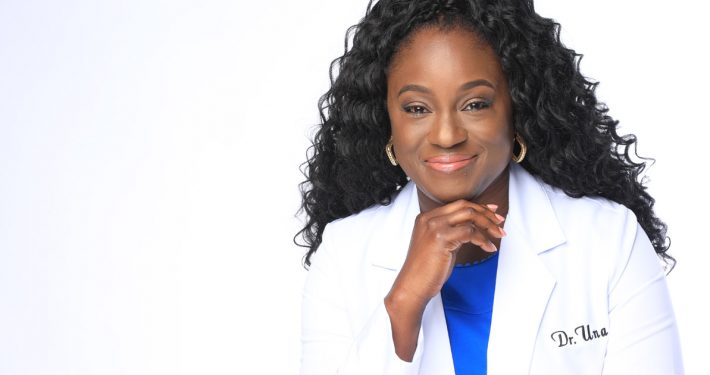
Dr. Colleen Kraft



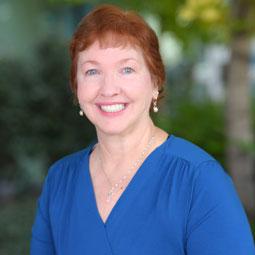
Colleen A. Kraft, MD, MBA, FAAP is the 2018 Past President of the American Academy of Pediatrics. Her background includes work in primary care pediatrics, pediatric education, and health care financing. Follow her on Twitter @colleenkraft.
During a recent visit with a patient, Dr. Colleen Kraft found herself talking about an unlikely subject: vacuum cleaners.
The child, diagnosed with autism spectrum disorder (ASD), loves to talk shop about the cleaning devices and all of their functions and variations.
“He has this obsession with vacuums,” says Dr. Kraft. “That just makes your day. These kids are really a lot of fun and you’re not going to get that with typical kids. They see the world so differently.”
That appreciation for children on the autism spectrum, and an awareness of how their differences are valuable, is changing how doctors approach the neurodevelopmental disorder characterized by impaired social communication and interaction and restrictive, repetitive patterns of behavior. There’s a rapidly evolving understanding of how children with ASD can grow and thrive with the right support, says Dr. Kraft.
“In the early 2000s, you did not want to make a diagnosis or tell a family that their child might have autism because they were devastated by it,” she says. “They felt like they did something to cause it and they didn’t think there was anything they could do about it.”
Fast forward 20 years and the thinking has shifted significantly.
“Now, it’s not a hopeless diagnosis,” says Dr. Kraft. “There are lots of things we can do with a child very early on to help them develop the way they view the world and interact with other people.”
An expert in the field of early brain and child development, Dr. Kraft has in many ways helped to steer the conversation about how to best care for children who experience developmental differences like ASD. Now a pediatrician at Children’s Hospital of Los Angeles and a clinical professor of pediatrics at Keck School of Medicine at University of Southern California, she is focused on an important message: Primary care pediatricians can and should be a driving force on the team caring for children with ASD. They are key to identifying developmental challenges and getting kids into services as early as possible, which helps to improve outcomes.
“[Kids with autism spectrum disorder] get lost in the system. The best place for them is going to be the pediatric medical home.”Dr. Colleen Kraft
Primary care pediatricians know, in a deep and sustained way, the community and the families they serve, says Dr. Kraft. They understand the local school system and the resources available; they are connected to local therapists and support groups. This is all critical when it comes to serving children who have ASD.
“These kids get lost in the system,” says Dr. Kraft. “The best place for them is going to be the pediatric medical home.”
Pediatricians provide an important point of contact for the maze of appointments and consultations that come with a diagnosis of ASD. Specialists can be difficult to find; it may be unclear exactly which services are needed when. The pediatric medical home is a place to come back to for support and guidance, says Dr. Kraft.
“Where primary care pediatricians are really going to be most important is in the follow-up,” she says.
When a child comes in for an appointment, she recommends laying the groundwork for a conversation related specifically to development.
“Let’s start thinking about autism and developmental disabilities in a chronic care management framework,” she says. “When you see a child, for example, for their well visit or you see them because of their asthma exacerbation or their cough or congestion, tell that family, ‘Let’s have a visit just to discuss what your child is doing developmentally and what services they’re getting.’”
From there, open a line of communication with the family driving the topics.
“What you do with that first visit is, first of all, get the parents’ greatest concern about their child,” she says. “Figure out what the biggest and the most important priority is, and then figure out what you can do and what a family might want to do to get there.”
It’s a critical first step as every journey is going to be different. One child may need speech and language therapy, another may have sensory problems or behavioral challenges. Some issues come up suddenly for some children, like trouble falling or staying asleep or chronic constipation.
Dr. Kraft recommends monthly visits early on after a developmental challenge like ASD is identified. Track from that initial visit onward the services the child is receiving – including Individualized Education Plans from the school, speech and behavior evaluations and other information – so that progress can be documented and plans altered if needs change.
She points to telehealth appointments as one way to ease the burdens of time and travel. It’s also a way to focus on how the parents are managing both their child’s needs and the support available to their family.
“Telehealth gives you a lot of time with the parents to talk about what they’ve been doing in terms of connecting to resources, what their barriers are and where we go moving forward,” she says.
She’s found keeping expectations realistic in terms of the progress the family may see from one visit to the next, especially early on, as it takes time both to understand what will best serve the child and what is available to the family.
“You don’t have to solve everything in one visit, because you can’t, but you can solve one or two things in that visit and know that three to four weeks later, you’re going to follow-up,” Dr. Kraft says.
Often, it can take as long as three to four months to feel like there’s a cohesive plan that matches the family’s needs. At that point, the primary care visits often become less frequent.
“Once you actually have those services plugged in, then I follow up every three months to see where that child’s progress is.”
And it’s always important to tap into families as a source of information for others in similar situations, says Dr. Kraft.
“The one last thing that I always ask parents and then document is this: what’s your latest, great resource? What’s that new thing out there that I need to know about?”
She’s had parents discover a range of new opportunities she was able to share, like social skills classes, karate lessons geared towards children with developmental challenges, or a new play group available through the school system.
“Changing the paradigm that you’ve got to get a specialist to diagnose before you can do anything is where our pediatricians can make a big difference.”Dr. Colleen Kraft
Despite increased awareness of the warning signs and improved diagnostic tools, the age of diagnosis for a child with ASD has been stubbornly persistent. Although ASD can be diagnosed as young as 18 months old, that’s the exception.
“The average age of diagnosis is still over four years of age,” Dr. Kraft says.
Even though bringing that number down is important, she suggests that getting children with any developmental delays into services early, even in the absence of a definitive diagnosis, is absolutely critical. When you complete the recommended American Academy of Pediatrics developmental screenings at 9, 18, and 30 months, act on any red flags that come up as soon as possible.
“Changing the paradigm that you’ve got to get a specialist to diagnose before you can do anything is where our pediatricians can make a big difference,” she says. “Even if you don’t feel comfortable making the diagnosis, there’s a lot you can do to get that child plugged into services and follow up as their medical home.”
A growing body of research has shown just how critical early intervention can be. Kids with ASD who receive services before the age of two and a half generally have better outcomes related to social symptoms as well as speech and language skills.
This is due to the elasticity of kids’ brains in the earliest years of life, says Dr. Kraft.
“You have a lot more connections at age six than you do at age 15,” she says. “So it’s really important, if you notice that there’s a developmental difference as young as 12 to 15 months of age, that you get that child into early intervention where those problems can begin to be addressed while their brain is in the process of developing speech and language, emotional regulation and sensory impact.”
For kids under three, that may be an early intervention program. For kids over three, pediatricians and families can start looking at early childhood special education preschools. Then, even without a specific ASD diagnosis, they’re already in the system, connected to resources and in regular contact with a range of specialists who can thoroughly evaluate the child at the appropriate times. And checking back in on a regular basis ensures the family feels supported as they navigate their journey.
“The key is to have follow-up,” she says. “The first time that child wheezes, you follow up. If they’ve had several episodes of wheezing, then you start to say, ‘Okay, we need to be on a controller medication and we need a follow-up visit at regular intervals.’ The same thing applies to developmental disabilities.”
Being efficient by using a template in the electronic medical record while talking with the family is important for billing, so that you can show that you have “high complexity in terms of that medical review and high complexity within the medical decision making for this child,” says Dr. Kraft.
“If we’re going to take on kids with developmental and behavioral conditions, we have to be paid for it,” she says. “This is the pathway toward being able to care for these kids and being able to maintain a practice at the same time.”
The more pediatricians who are ready to help, the better, as the prevalence of ASD has been increasing. According to recent statistics from the Centers for Disease Control and Prevention, 1 in 44 eight-year-old children has been identified as having ASD. This is up from about 1 in 54 two years prior. Although some of this increase may be due to better diagnostic tools and more well-established criteria, many experts, including Dr. Kraft, agree that the numbers reflect an increase above and beyond those improvements in diagnosis.
For pediatricians who want to learn more about diagnosing ASD, resources are available. ECHO Autism is a virtual learning network that connects pediatricians with specialists at teaching hospitals for continuing education. One tool that Dr. Kraft uses in her office: the Childhood Autism Rating Scale 2, known as CARS2. This written assessment is based on direct observation of a child and helps to distinguish ASD from other developmental challenges.
Technology is also proving useful to expand the range of healthcare professionals who can identify ASD in children at an earlier age. Dr. Kraft says she’s especially excited about tools that use artificial intelligence to improve the accuracy of diagnosis over time.
“Some of these tools in the hands of our pediatricians in primary care may help them with moving down that diagnostic pathway where they may not be comfortable right now,” she says.
As she looks ahead, Dr. Kraft is optimistic about where the field is headed. She sees pediatric trainees who are well-versed in recognizing developmental differences and who are proactive about following up and getting them into services.
“It’s one of the most exciting things that I have seen in training, because these guys are going to come into practice and they’re going to know how to take care of these kids,” she says. “They’re learning how to work with their service coordinators and special ed coordinators. They are showing up for IEP meetings in school via Zoom, so that they can give a medical perspective.”
Over time, more and more children with ASD will be empowered to reach their full potential, their differences valued and appreciated.
“As we have pediatricians who are trained for them, this is going to fundamentally change how we care for these kids,” she says.

Many pediatricians may know Dr. Kraft for a high-profile job she held in 2018: President of the American Academy of Pediatrics. She made news during her tenure for her outspoken critique of the U.S. government’s policy of “zero tolerance” policy at the U.S./Mexico border. During the administration of President Donald Trump, migrants caught attempting to enter the country illegally faced criminal prosecution. In this process, thousands of children were separated from their parents and either held in shelters or placed in foster care.
At the time, Dr. Kraft spoke out about how the trauma of was doing irreparable harm to these children, calling it a “form of child abuse.” She said in an interview with CBS News that the policy was setting them up for a range of poor outcomes, from delays in speech and language development to delays in developing gross and fine motor skills, not to mention the long-term impact on mental health.
The health and well-being of migrant children is a cause she’s still involved with at the Keck School of Medicine. Dr. Kraft co-directs a program for pediatric residents called IMPACT, which stands for Improving Medicine Pediatricians And Communities Together.
“IMPACT teaches these pediatricians who are training in hospital medicine and outpatient and subspecialty how you involve the community to help improve the health of kids,” she says. “[They learn that] you need to be able to make a difference outside the office as much as inside the office.”
Dr. Kraft works primarily in the community health tract, where trainees are doing projects on a range of topics including food insecurity, reproductive health and school health.
One project, founded by a trainee who as a child came to the U.S. from Yugoslavia, helps children who went through detention and family separation establish a medical home. In partnership with a non-profit called Each Step Home, which is focused on reuniting families that were separated, residents work on connecting children with medical care, dental care, trauma-informed mental health care and a range of other services.
It can be an uphill battle to build trust, says Dr. Kraft, especially as fears of deportation and separation run deep. However, over time, the program has become well-established. Seven residents now serve families and are working with community pediatricians to help them better understand the needs of migrant children.
The goal is to make sure these kids have the wrap-around services they need to stay healthy both physically and emotionally.
“It’s blossomed to where we have the connection with the kids,” she says. “We have the involvement of a clinic to help arrange insurance and transportation. Now we have a flourishing program.”
A resident of Burlington, VT, Erin Post has a BA degree in English from Hamilton College, a graduate of the writing program at the Salt Institute for Documentary Studies, and she holds a Master’s degree in Public Health at the University of Vermont. In her spare time, she likes to bike, ski, hike, and generally enjoy the Green Mountains of Vermont. Visit her website to see more of her work at erinpostwriting.com.
Pediatric care is complex enough — navigating for the future shouldn’t be a solo journey. Join host Chip Hart and learn from pediatricians, industry leaders, and policymakers who are shaping the future of pediatric care. Every episode, we explore their stories, their dreams, and the joy they find in medicine. Together, we’re charting the future of children’s healthcare.

The Independent Pediatrician is brought to you by PCC, which provides tools and services to help pediatricians remain independent and in control of their practices.
PCC itself is a fiercely independent business. As a Benefit Corporation, it puts the interests of its clients, community, and employees on an equal footing with those of its shareholders.


 Gender-Affirming Care is Whole-Person Care: Integrating Behavioral Health and...