Combatting the Decline in Pediatric Residencies
The draw of independent pediatric practice—be it lifestyle, fulfilling relationships, or opportunities for growth—could be important incentives for new doctors considering their future specialty, especially as the U.S. faces a decline of new doctors going into pediatrics.
In 2024 the number of medical students applying for pediatric residency dropped by 6%. There are a number of factors likely responsible for disincentivizing pediatric specialty for new physicians, but a glaring one is lower earning potential when compared to other specialties. Millions of children are covered through Medicaid, which reimburses at a significantly lower rate than other insurance providers. Given the hefty student debt carried by most medical students, it’s not surprising that students are looking to enter more lucrative fields.
In a July 2024 New York Times op-ed, Dr. Aaron Carroll writes: “my interest in working with families outweighed whatever I might miss by earning less.” But it’s unclear whether medical students have the opportunity to nurture this kind of interest. A 2023 National Academies report advocates for exposing medical students to mentors and role models in pediatric subspecialties, as there can be a lack of visibility for the field in medical schools. Alongside raising pediatric salaries, the report advocates for mentorship and role-modeling in pediatrics, as well as more robust scholarship and loan repayment programs.
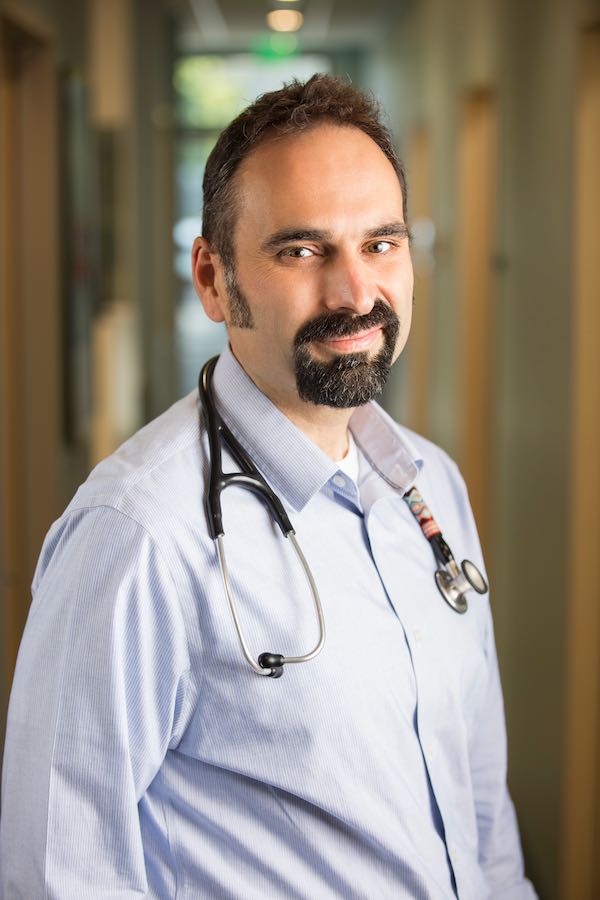
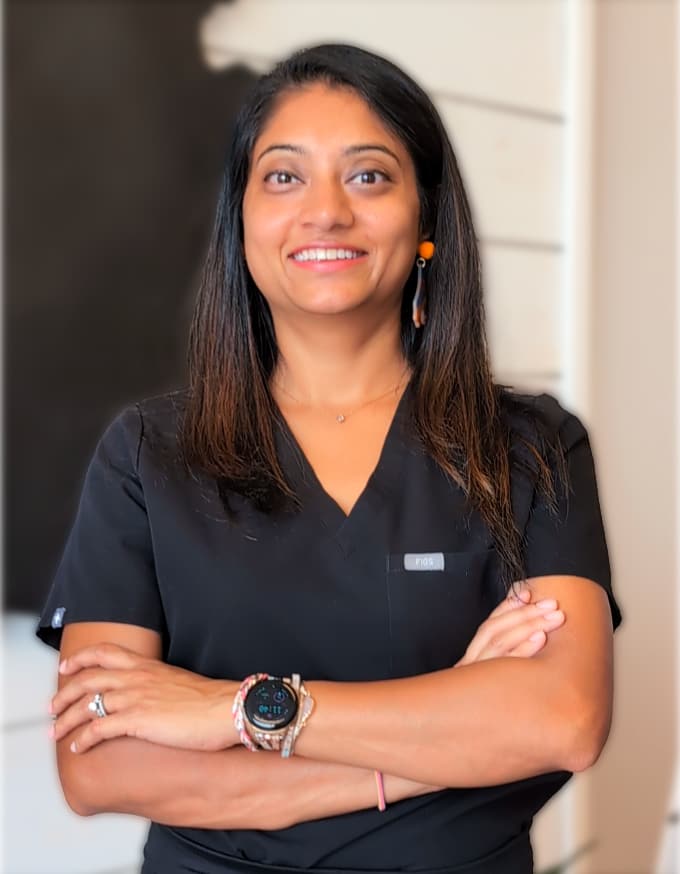
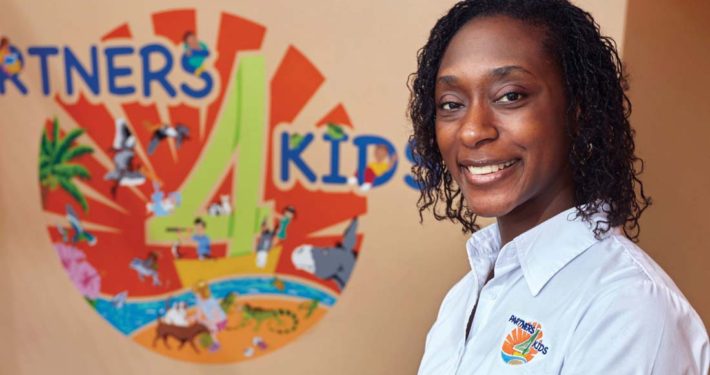
The seasoned pediatricians who lent their voice here represent the type of mentorship that’s available for new pediatricians. As Dr. Hiral Lavania says, tapping into your resources is everything. Through building relationships, tapping into resources, and finding joy in the work, new pediatricians can thrive as they embark on starting an independent practice.