Meeting Patients Where They Are Through Immediate Care

PediaTrustChicago, IL

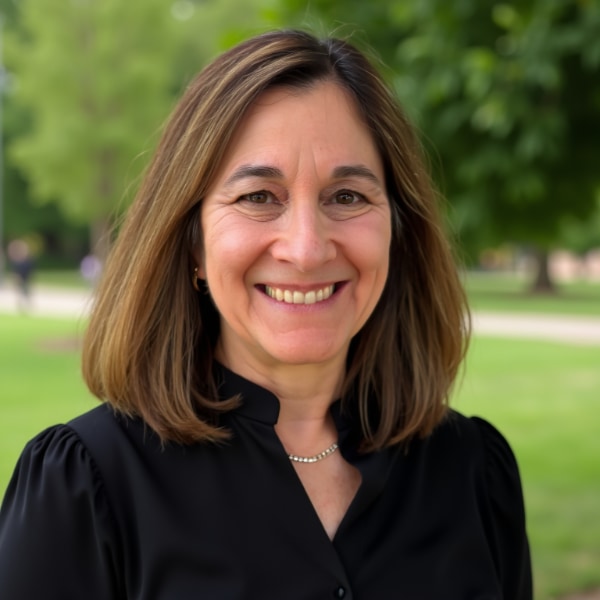
Dr. Susan Sirota discusses the factors that led to her decision to form the supergroup PediaTrust, its move to open an immediate care clinic, and how Pediatrust’s story speaks to the nature of today’s pediatric care landscape.

Meeting Patients Where They Are Through Immediate Care

PediaTrustChicago, IL

In 2014, Dr. Susan Sirota spoke with the Independent Pediatrician shortly after forming the pediatric supergroup, PediaTrust. Now, over ten years later, PediaTrust continues to thrive. Dr. Sirota discusses the factors that led to their decision to form the group, its move to open an immediate care clinic, and how Pediatrust’s story speaks to the nature of today’s pediatric care landscape.

In 2014, Dr. Susan Sirota spoke with the Independent Pediatrician shortly after forming the pediatric supergroup, PediaTrust. Now, over ten years later, PediaTrust continues to thrive. Dr. Sirota discusses the factors that led to their decision to form the group, its move to open an immediate care clinic, and how Pediatrust’s story speaks to the nature of today’s pediatric care landscape.

Lessons from a Decade of Supergroup Practice

Dr. Susan Sirota, like most pediatricians these days, is involved in myriad projects aiming to positively impact the future of children’s health in a rapidly changing healthcare landscape. Part of what supports her in this mission is her membership in the pediatric supergroup PediaTrust, formed in 2013 with seven other Chicago area independent practices. Both a founding member and the CEO of the group, Dr. Sirota described Pediatrust as “a group practice without walls.” By “without walls” she means a practice model in which multiple doctors share administrative and management costs, but maintain their practices in separate locations.

Dr. Sirota and her colleagues first began to entertain the possibility of forming a group in 2011, as independent practices in their area were quickly disappearing—being purchased by larger health systems.

“In Chicago at that time there was very rapid consolidation of healthcare,” Dr. Sirota explains. “Hospitals were buying up practices left and right. And as pediatricians we saw that our patients weren’t necessarily the priority of these health systems.” Concerned by these changes, Dr. Sirota and a group of her pediatric colleagues convened to discuss options.

“We were a group of independent practices who came together, and who felt very strongly that we needed to stay independent,” she asserts. “We saw getting bigger as a way to stay small.”

Of the nearly two dozen practices that gathered to consider the merger, PediaTrust was ultimately comprised of seven practices. Ten years later, the group is thriving and bringing new and groundbreaking offerings to their community.

“Merging allowed us to pool resources and to offer the most comprehensive medical home for all of our patients,” Dr. Sirota shares. “We’re able to do things like have our own lactation program, become level 3 medical home certified, we have our own nutrition program, we’ve integrated psychologists, and most recently—open our own immediate care clinic for our patients.”

The motivation to form PediaTrust was, and continues to be “To stay independent, and to enhance the quality of and the access to care for our patients,” says Dr. Sirota. “We knew it made the most sense to have pediatricians making the decisions about the best way for pediatricians to care for children.”

Independent practices bought by hospitals or other healthcare groups typically turn over their administrative and business decision-making, which inevitably leads to changes in things like patient volume, visit time, and billing. These buyouts are understandable in a time when independent practices amount to less than half of physicians in most specialties and Medicaid payments have fallen by 33%. Hospitals, private equity groups, or insurers are often better resourced to manage challenging aspects of the business like tracking down payments, and lessen the burden for physicians functioning as both practitioners and business managers.

For Dr. Sirota and her colleagues, who felt strongly that maintaining administrative autonomy was essential to maintaining their standard of care, consolidating was the answer to these problems. “Joining together means we can have a professional level of operations, human resources, practice management. Physicians get to stay physicians and can really focus on what they do best,” says Dr. Sirota. “We’re then able to hire other professionals to lead the other functions of the practice.”

Susan Sirota
We knew it made the most sense to have pediatricians making the decisions about the best way for pediatricians to care for children.

Dr. Susan Sirota

“Coming together allows us to function in so many realms at a higher level because we can bring together these unique, individual expertise.”

Dr. Susan Sirota

Resilience in Numbers: Meeting Challenges as a Group

While PediaTrust’s core values and mission remain the same, the healthcare landscape has shifted over the last decade. Over the years, the group has weathered various challenges; Dr. Sirota attributes their successful navigation of these in large part to their size.

“What’s really changed over the last decade is how difficult it is to be in independent practice, which I think is correlated with the drop-off we’re seeing in independent practices,” she posits.

Within PediaTrust and in the medical community more broadly, Dr. Sirota has seen administrative burdens and costs grow. “We need to keep up with regulations, generate revenue, manage staff… it’s really hard for one person to function as both the CEO and a pediatrician,” she says.

Aside from general trends in payment and administrative challenges, PediaTrust has seen two major crises in their last twelve years of operations. The first was the COVID-19 pandemic. Then, in 2024, the group was impacted by a cyber attack on the area Children’s Hospital that hosts their electronic health record. Dr. Sirota explains that PediaTrust’s size helped them weather both crises.

“Our size and structure allowed us to very successfully navigate the pandemic,” Dr. Sirota explains. “We had the dexterity and resources to move to telehealth and also maintain care for our community.”

Pediatrust’s size created stability and resilience for the practice both financially and operationally during these crises. “In terms of the cyberattack, we were without an EHR for over a month,” she says. “As smaller independent practices, this would have amounted to a major financial crisis as well as an operational one. But our size has given us a level of protection and function in a crisis. We had an entire senior leadership team that could focus on how to manage through the cyberattack while the physicians focused on getting the patients seen.”

Over the years, the practice has taken ownership of their own billing company as well, now called SperoMD. “We all know insurance companies do not in any way pay pediatricians commensurate with our cost of doing business,” says Dr. Sirota.

Beyond resilience to financial and operational challenges, Dr. Sirota enjoys the creative problem-solving that’s possible in a large group. “Bringing everyone together allows us to have this braintrust,” she says. “Of course we’re all high quality pediatricians, but we also all bring an expertise related directly or indirectly to the business of practice. Coming together allows us to function in so many realms at a higher level because we can bring together these unique, individual levels of expertise.”


“We know that frequent urgent care use can lead to fragmented care as it takes patients’ care out of their medical home.”

Dr. Susan Sirota

Meeting the Need for Timely Care

PediaTrust began discussions about offering urgent care, what Dr. Sirota refers to as “immediate care,” early in the group’s development, and launched PediaTrust Immediate Care in 2024. Dr. Sirota and her colleagues noticed that retail clinics were popping up everywhere, and that patients with time-sensitive issues were going to these clinics and “receiving inferior care, or fragmented care,” says Dr. Sirota. “Those visits often resulted in follow-ups with their primary care providers anyway. There were major deficiencies in the type of care our patients received in these clinics.”

“The way I see it, practices that aren’t willing to change as patients’ needs change can become irrelevant very quickly,” Dr. Sirota explains. “That’s exemplified by the urgent care market.”

According to a 2022 Urgent Care Association report, patient volume at retail clinics has jumped 60% since 2019, in combined data of both traditional and COVID-19 related visits. Part of this leap can be attributed to visits during the peak days of COVID-19, when many people were unable to see their primary care providers as hospital and private practices alike scrambled to meet the moment. However, high use and proliferation of these clinics has persisted.

Urgent care growth has been rapid due to a number of factors: convenience, gaps in primary care, high costs of emergency room visits, and increased investment by health systems and private-equity groups. The U.S. urgent care market was valued as $34.34 billion in 2024, and is on track to grow at 8.6% annually.

A 2023 NACHC report found that one third of Americans do not have a primary care provider, and a quarter of those without care were children. These Americans are referred to as “medically disenfranchised,” meaning their community lacks an adequate supply of primary care providers. Indeed, a shortage of up to 55,000 primary care physicians is expected in the next decade. According to the National Academy of Sciences, Engineering and Medicine, “primary care is the only health care component where an increased supply is associated with better population health and more equitable outcomes.”

While urgent care clinics serve as a convenient option for many Americans, and do provide care to people who might not otherwise get it, experts caution that these clinics are not an adequate substitute for primary care. There are questions about the quality of care patients receive at urgent care clinics, including the overprescription of antibiotics.

Dr. Sirota agrees with these concerns, and shares her own.

“We know that frequent urgent care use can lead to fragmented care as it takes patients’ care out of their medical home,” she explains. “Also, as someone’s primary care provider my team and I have access to their health records—we have a relationship with the patient. We’re able to see their health story over time, what they’ve been treated for in the past, and then make immediate care decisions based on this complete story.”

“We want our patients to associate this clinic with being taken care of right away, rather than needing to have a medical issue that falls into some hierarchy of urgency.”

Dr. Susan Sirota

“Immediate” vs. “Urgent”—Why Names Matter

Upon opening, PediaTrust initially called their clinic an “after hours clinic,” but rebranded to “immediate” when they began to offer daytime hours. PediaTrust intentionally refers to these clinics as “immediate care,” rather than urgent care, for a few reasons.

“‘Urgent’ kind of connotes an almost-ER type visit,” Dr. Sirota says. “We want our patients to associate this clinic with being taken care of right away, rather than needing to have a medical issue that falls into some hierarchy of urgency. So if they need to come in for a sore throat or a sprained ankle—great. We want them to feel welcome. And,” she continues, “the word ‘immediate’ also doesn’t bring the legal implications that referring to oneself as ‘urgent’ does.”

Dr. Sirota shared that the group wanted to provide “the care our size would allow. So we decided to at least start with one location and stay aligned with our core values.”

At first, Dr. Sirota received some pushback from other pediatricians in the group as she moved to open the clinic. “We opened in July, and people thought patient visit volume was too low in the middle of the summer,” she says. “We chose a location for the clinic that was geographically in the center of all of our offices. People didn’t think their patients would come. But the doctor who was the most vocal that his patients wouldn’t come to the clinic had the first visitor.”

Dr. Sirota’s message to the other physician leaders was, “If we don’t do this, somebody else will. Our patients will just go somewhere else, so it might as well be us taking care of our own patients.” Indeed, shortly after PediaTrust opened their immediate care clinic, regional hospital and university Northwestern Medicine opened one as well.

“It’s not on our patients that they were choosing retail clinics. They’re just looking for convenient and timely care for their kids. It’s on us as pediatricians to find a way to meet those needs.”

Dr. Susan Sirota

Implementation, Staffing, and Beyond

Beyond offering continuity of high quality care to patients, Dr. Sirota shares that “the clinic has been profitable and has helped us reduce our overhead. Patients love it, and it’s also a growth strategy because patients come from outside of our practice who are looking for a medical home.”

In her community and elsewhere, Dr. Sirota notes that the primary need these clinics fill has to do with time. “Parents are busy, life is busy, and some families will prioritize convenience over quality,” she says.

“It’s not on our patients that they were choosing retail clinics,” Dr. Sirota continues. “They’re just looking for convenient and timely care for their kids. It’s on us as pediatricians to find a way to meet those needs. We needed to be honest with ourselves and say, ‘we know we provide better care, but if we don’t meet the patients where they are, we’re going to miss the opportunity to see them.”

The PediaTrust immediate care clinic initially offered evening hours, some Saturday and Sundays, and holiday availability. But in the last year, they moved to adding daytime hours as well. “We start early in the morning at 7:30, really just trying to meet people where they want to be. At this point, we cover all hours that our offices aren’t open,” Dr. Sirota says.

When the clinic opened, the group agreed that there are “30 owners and 30 days in the month,” Dr. Sirota says, “so everyone was responsible for one shift.” But over time they’ve employed other area pediatricians and some of their retired pediatricians. With new pediatricians, their contractual agreements include a certain number of immediate care shifts per year. According to Dr. Sirota, there are “so many creative ways to make immediate care work. The first step is identifying the need in your community.”

Immediate Care and Growth Paths for Independent Pediatricians

Dr. Sirota and her friend and colleague from residency opened their practice 30 years ago, and deeply understands the life of an independent pediatrician. She wants independent practices to grow and succeed, and sees her learning at PediaTrust as applicable to smaller practices as well.

“I like to think outside the box and innovate, and I think there are lessons from our larger group that small practices can integrate,” she begins. “Offering patients high quality care at a time when the practice isn’t traditionally opened is a great opportunity. When you’re simply extending your own office hours, you already have the set-up—you already have your supplies, you’re already paying rent… it’s just an extension of what we do all day when we see sick kids.”

Of course, Dr. Sirota acknowledges, a solo pediatrician can’t feasibly work all of those hours. She suggests that “a solo pediatrician could hire someone for immediate care. We discovered there are a lot of peds looking for part-time work. That could be an amazing growth avenue with low overhead.” 

Dr. Sirota suggests that it’s also possible for independent practice owners in a given area to consolidate around opening an immediate care clinic, without needing to form a group. “You could have a joint business venture that serves all of your patients, then share in both the responsibility and the profits similar to the way we do,” she says.

Pediatricians that aspire to open an independent community care clinic may balk at the complexity of state urgent care regulations. Dr. Sirota explains that, “by referring to your clinic as an immediate care clinic, you’re just opening a practice that offers primarily acute care and is open at the times a traditional office is not. What you’re doing when you’re there is no different than what you’re doing in your practice all day.” 

To streamline an immediate care clinic offering, Dr. Sirota suggests that pediatricians consider utilizing the “cool and engaging tools that technology makes available to us. For example, over 90% of our appointments are scheduled online—this helps keep things super low budget.” 

This means that on full days, parents showing up with sick kids don’t end up waiting around. “There are a lot of low cost tools you can use to make your life easier as an independent pediatrician,” Dr. Sirota says.

Supporting the Next Generation of Pediatricians

Alongside her role at PediaTrust, Dr. Sirota also teaches Northwestern medical students. She laments that “if you’re in training now, you almost never see a pediatrician in independent practice. Most interactions that our trainees have are around employed physicians—be that health system, academic, or otherwise.”

She continues, “I think the big question is, as independent pediatricians, how do we get in front of trainees? How can we show them what we do? The reality is that 70% of residents end up going into employee-based positions.”

For medical students considering independent practice, Dr. Sirota advises “really taking time, and in an introspective way, try to understand the pros and cons of independent practice. How much do you value the autonomy of independent practice, versus just showing up and doing the work and knowing you don’t have to worry about the business side? No judgment—it’s just important to get clear here.”

She continues, “Of course there’s the hybrid, like what we have at PediaTrust, where you can work as a physician and trust that the business decisions being made are in the best interest of children.”

Beyond autonomy, Dr. Sirota notes that independent practice comes with other benefits, like “Flexibility, the ability to try new things, and the freedom to set your own schedule.” These intangibles can support longevity in the field, helping to keep pediatricians engaged and mitigating burnout.

Dr. Sirota wants new pediatricians interested in independent practice to understand that a healthy business model leads to healthy providers, and kids. “In order to provide the best quality of care to your patients through independent practice, it’s essential to have a strong and high quality business model,” she asserts. “You can’t be there in a high quality way for your patients if your business is not taken care of—it’s all connected. If you feel any stigma around money and business success, you need to let that go.”

“Everyday, I get home from work and I know I had a good reason for going into work that day,” she says. “For someone, it mattered that I was there. That’s so valuable.”

Emily Graf is a freelance writer, wilderness educator, and English teacher living in Colorado. She is passionate about telling stories that promote equal access to quality health care. She can be contacted at emgraf11@gmail.com for inquiries.