Pediatric Gardens
Bayside Medical Group


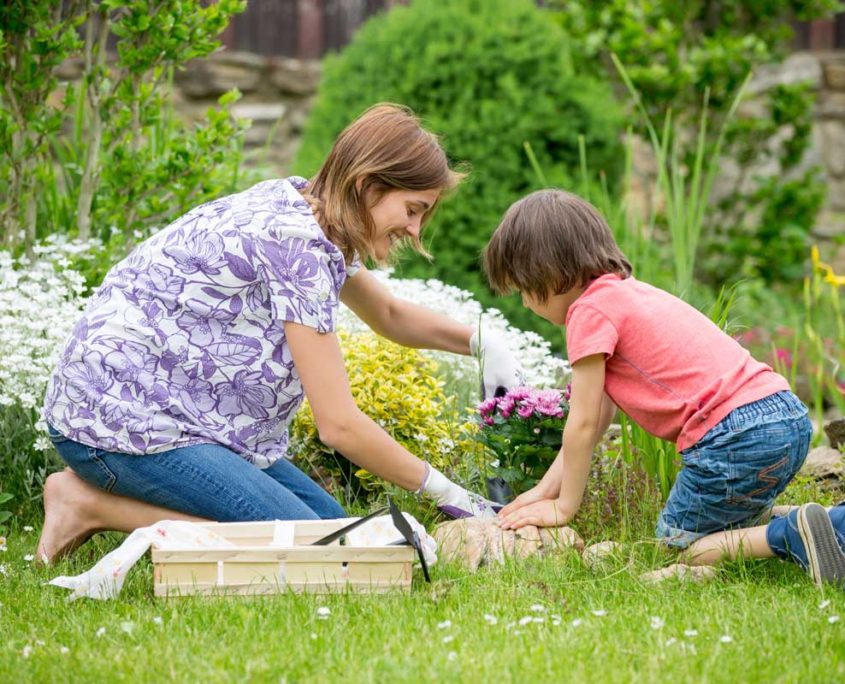

Budd Shenkin, a San Francisco Bay Area pediatrician who built his solo practice into what is now the region’s largest primary care independent group, suggests that pediatricians, like gardeners, use the inherent landscape and their creativity to grow their practices in a variety of ways.
You can read Budd’s excellent blog and consider him for pediatric practice management consulting at www.buddshenkin.com.
These comments come from Budd Shenkin, M.D. — a doctor who has traversed the spectrum of pediatric independence. He started as a solo doc in Oakland and, over 30 years, built his practice into a 10-location, 35-clinician East Bay pediatric group. It’s the largest independent primary care group in the Bay Area, noted for its innovation and high quality.
Budd captured the essence of The Independent Pediatrician in his post and graciously agreed to share his words with us here.
For example, I have always wanted a very inclusive practice. While private insurance may pay better, my sense of mission inclines me to think well of myself when I serve Medicaid patients (who, my colleagues point out, are also often easier to please). And there are plenty of Medicaid patients around my practice terrain to care for.
“We shouldn’t try to create a system where only one kind of practice-style is acceptable any more than we can expect every gardener to garden the same way.”
Practicing this way also suits my psychological makeup. I tend to like “volunteers” in my backyard — the plants and trees that just spring up and make themselves known. They like it here. I let them grow, planting other shrubs and flowers around them, making them a part of the garden. I also like to create systems, and larger practices lend themselves to systems, just as a larger garden inclines itself to pathways. Including more plants in my garden provides me with additional opportunities to weave pathways in and out of the terrain.
Other “gardeners” will consciously practice with carefully chosen patients whom they love, where they can “gar-den” intensively. Some prefer enormous gardens intended to produce a bountiful harvest, while others focus on a specific type of plant or flower.
We should recognize and value the wide variety of gardens available to us. They all have their virtues! We shouldn’t try to create a system where only one kind of practice-style is acceptable any more than we can expect every gardener to garden the same way.
Let a solo physician work alone with her homegrown EMR, let some providers have their big practices, let others distinguish themselves from the generic practices who join the university system. Let some practices be hyper-scientifc and others be touchy-feely. In fact, the beauty and strength of the various practice styles is that every manner of plant — and patient — can find its gardener.
Pediatric care is complex enough — navigating for the future shouldn’t be a solo journey. Join host Chip Hart and learn from pediatricians, industry leaders, and policymakers who are shaping the future of pediatric care. Every episode, we explore their stories, their dreams, and the joy they find in medicine. Together, we’re charting the future of children’s healthcare.

The Independent Pediatrician is brought to you by PCC, which provides tools and services to help pediatricians remain independent and in control of their practices.
PCC itself is a fiercely independent business. As a Benefit Corporation, it puts the interests of its clients, community, and employees on an equal footing with those of its shareholders.


 Working Together to Remain Independent