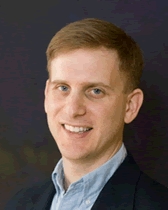
Dr. Seth Kaplan
“If we can create systemic change, that can potentially make a difference. For me, being involved in organized medicine has been a huge part of what I do.”Dr. Seth Kaplan
Dr. Seth Kaplan has experienced seismic shifts in his practice over the last several years. After a practice without walls he joined in 2016 didn’t work out, he found himself faced with the specter of declaring bankruptcy and closing his practice in Frisco, Texas. The second physician in his two-pediatrician practice also left for unrelated reasons around this same time, adding stress and uncertainty to an already fraught situation. Fast forward to 2019 and he’s successfully weathered the challenges. Now, he is on more solid footing as a solo practitioner at TLC Pediatrics in a region experiencing rapid growth as an exurb of the Dallas metro area.
“I’ve spent the last two years rebuilding the practice and figuring out how to move forward,” he says.
Dr. Kaplan has also dialed in a few ways to prevent burnout, turning a situation that could have broken any physician into an opportunity to grow and evolve. One relatively simple change: he’s learned that getting outside for some fresh air is important for his mental and physical health. A local running group provides social opportunities.
“I picked up running about 10 years ago,” he says. “Now I do half marathons and sprinkle in a marathon here and there.”
His second personal commitment is daily crossword puzzles, often in tandem with his wife.
“It’s a silly little thing that gives me pleasure and it keeps my brain sharp,” he says.
The incorporation of meditation into his daily routine has helped him to slow down and step away from the drum beat of daily life.
“Taking that one minute a couple of times a day to re-center can be huge,” he says.
Through a Jewish leadership program, he learned about Mussar, an ancient spiritual development pathway focused on meditation and other contemplative practices and exercises. He’s been able to develop a mantra – an easy-to-repeat and remember catchphrase – that he can return to when stress overwhelms. Although they change over time, his current one is: “All I can do is what I can do.”
“We constantly have demands put on us that can seem unreasonable, and it’s easy to get caught up because we want to do what’s best by our patients,” he says. “I use that phrase to remind myself that I’m doing the best I can.”
A course offered by Duke University, his medical alma mater, has been eye-opening. Titled “Intentional Life Design for Physicians: Tools to Rediscover Your Calling,” the course has prompted him to re-focus on what his values are, and is helping him to learn how to set macro and micro goals personally and professionally.
“For those that relate to my practice, they are only attainable because I am independent and have the control to be able to make them happen,” he says. “Some are small changes in day- to-day functioning, some involve learning new mindfulness techniques, and some involve systemic changes.”
Dr. Kaplan also addresses physician wellness through advocacy. He’s become a proponent of action at the state and federal level, so that pediatricians aren’t battling against burnout on their own.
“If we can create systemic change, that can potentially make a difference. For me, being involved in organized medicine has been a huge part of what I do.”
He’s president-elect of the Texas Pediatric Society; he also recently finished a four-year term as chair of the group’s executive legislative committee and has served as chair of the committee on administration and practice management. Although it’s another time commitment in an already busy schedule, these roles give him the opportunity to educate policy makers and legislative leaders about what pediatricians need from government to do their best work for patients.
“This has me working with other pediatricians across the state. We can share what the issues are that can lead us to get burned out,” he says. “We can think about ways to actually solve them.”